About
Pusat Restorasi dan Pembelajaran Mangrove Mengare
Mangroves restored on eroded aquaculture ponds, and a place to learn about the coast.
What is PRPM Mengare?
PRPM Mengare stands for Pusat Restorasi dan Pembelajaran Mangrove Mengare (Mangrove Restoration and Learning Centre).
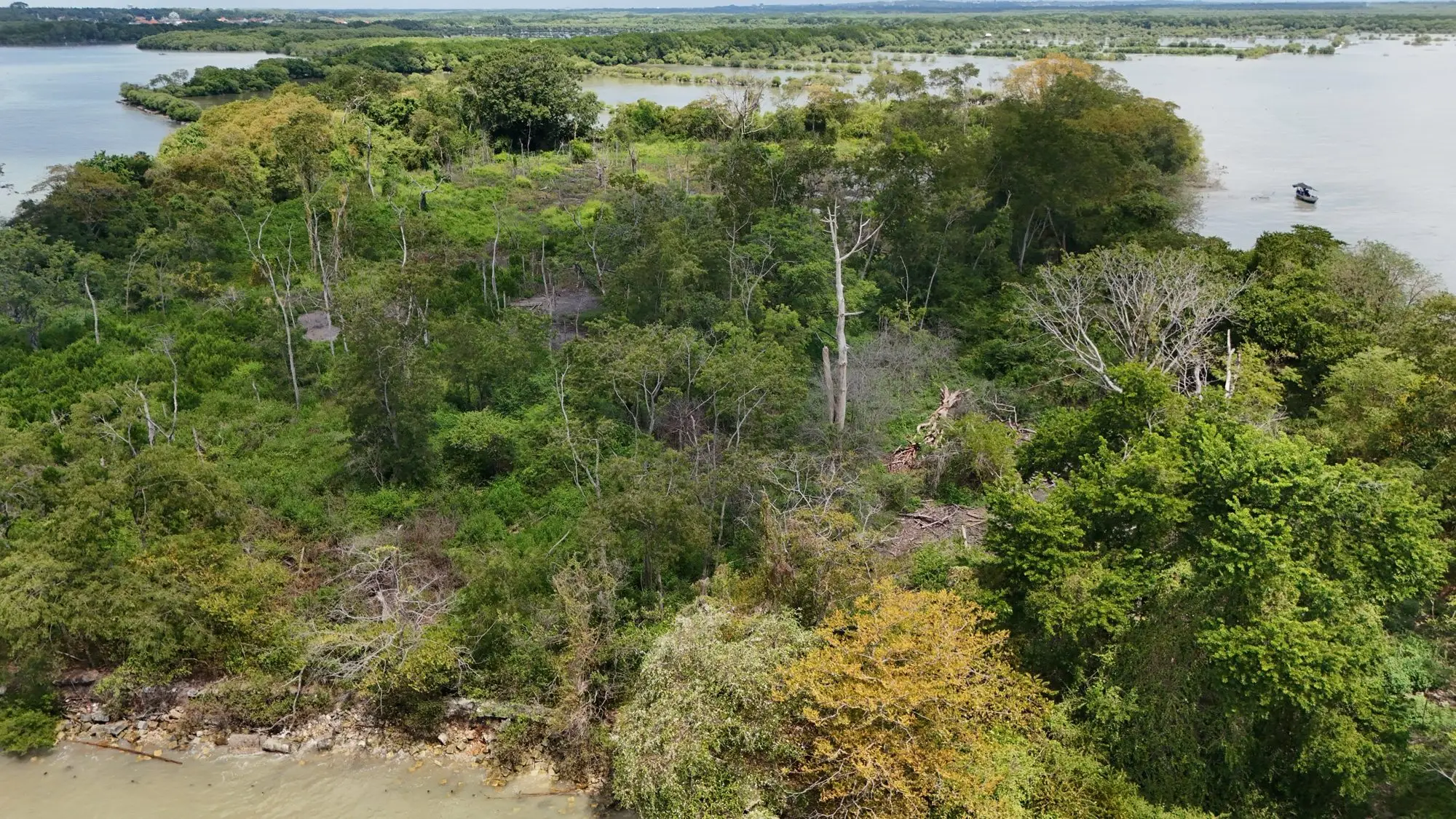
The centre lies in Tanjung Widoro village, Bungah district, Gresik Regency, at the northern tip of Mengare where it meets the Madura Strait. Mengare was once separated from Java by the old Bengawan Solo river mouth; sediment has since joined it to the mainland. Locals also call the site Warakas or Wisata Mangrove Mengare.
Since 2018 about 9.5 hectares of eroded aquaculture ponds have been planted. Pioneer species were planted first, step by step from sheltered to open ground, alongside mangroves that returned on their own. Visitors, schools, universities and researchers are welcome.
Gresik's spatial plan designates the Mengare coast as a mangrove conservation area and Mengare as a nature tourism area. PRPM Mengare is a CSR programme of PT Petrokimia Gresik, run through its social and environmental responsibility (TJSL) programme.
Who manages the centre
The centre is run by Pokmaswas Tanjung Widoro, the village community surveillance group whose members are local fishers. The group holds management rights from the village head and has run the site independently since 2020. It manages the centre together with Pokdarwis Tanjung Widoro, the village tourism awareness group.
Contact person: Abdul Fadil, Pokmaswas Tanjung Widoro.
Landscape
The landscape
Young restored mangroves, old riverbank mangroves, tidal mudflats, bamboo and coastal trees lie side by side. Fish and crabs shelter among the roots, the mudflats feed shorebirds at low tide, and the bamboo and coastal trees give forest birds a place to perch.
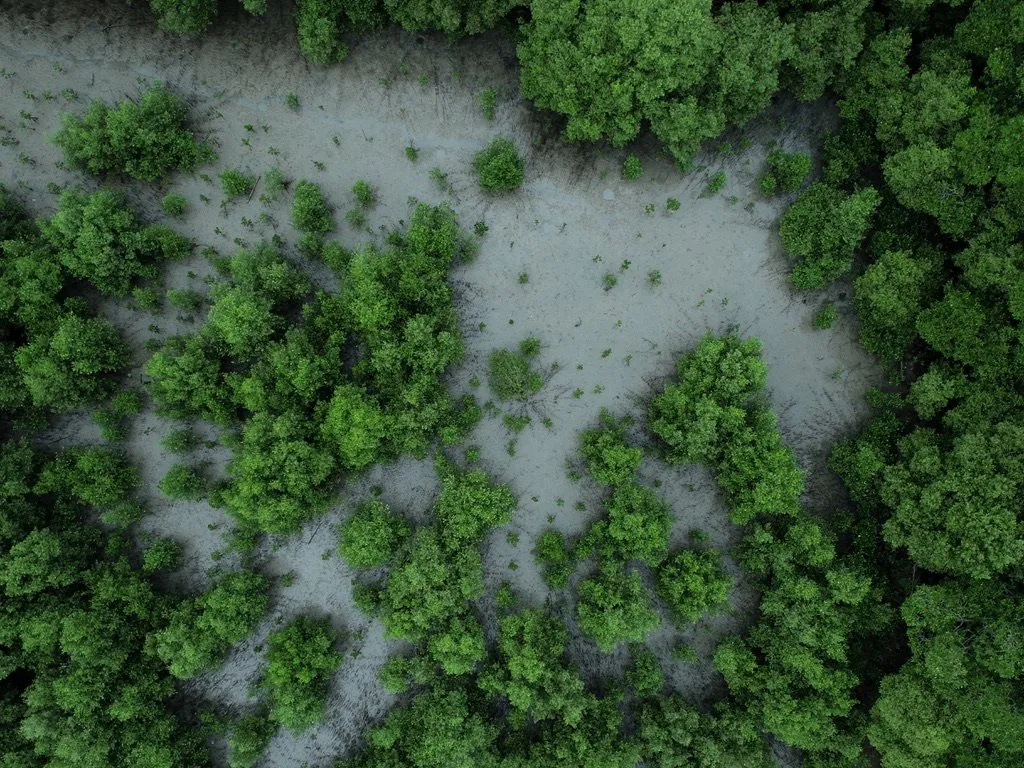
Restored mangroves
Young stands on eroded aquaculture ponds, planted since 2018 and growing naturally. Grey mangrove dominates; Rhizophora is spreading.
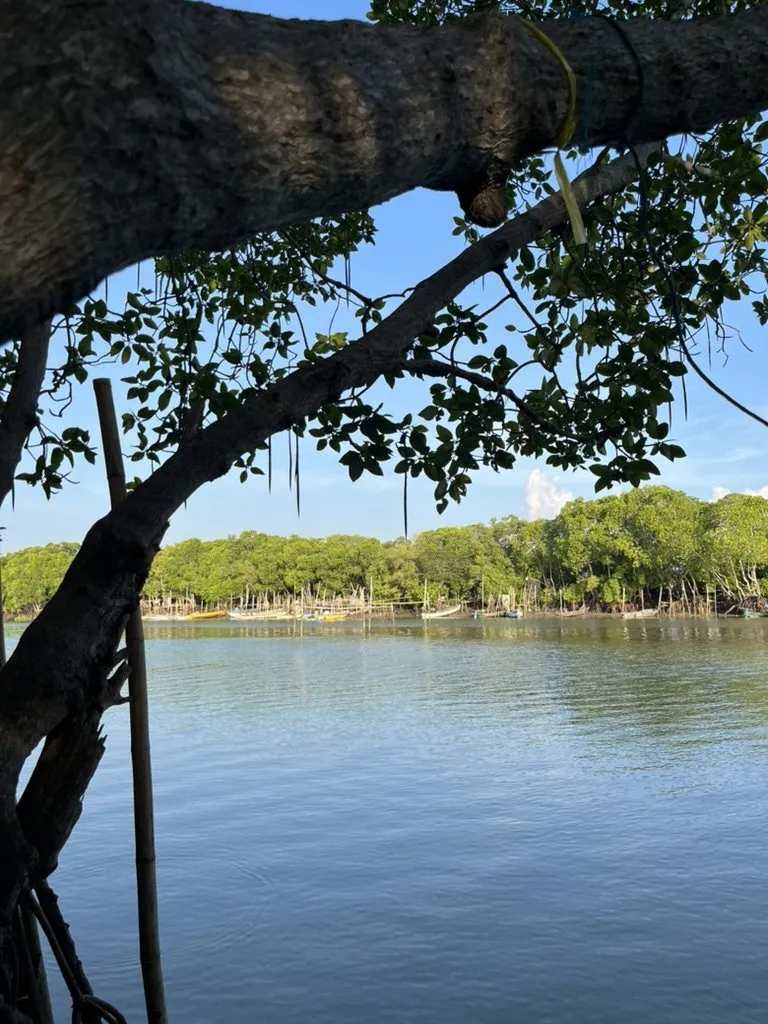
Old riverbank mangroves
Remnant natural forest along the river banks, with taller and larger trees.
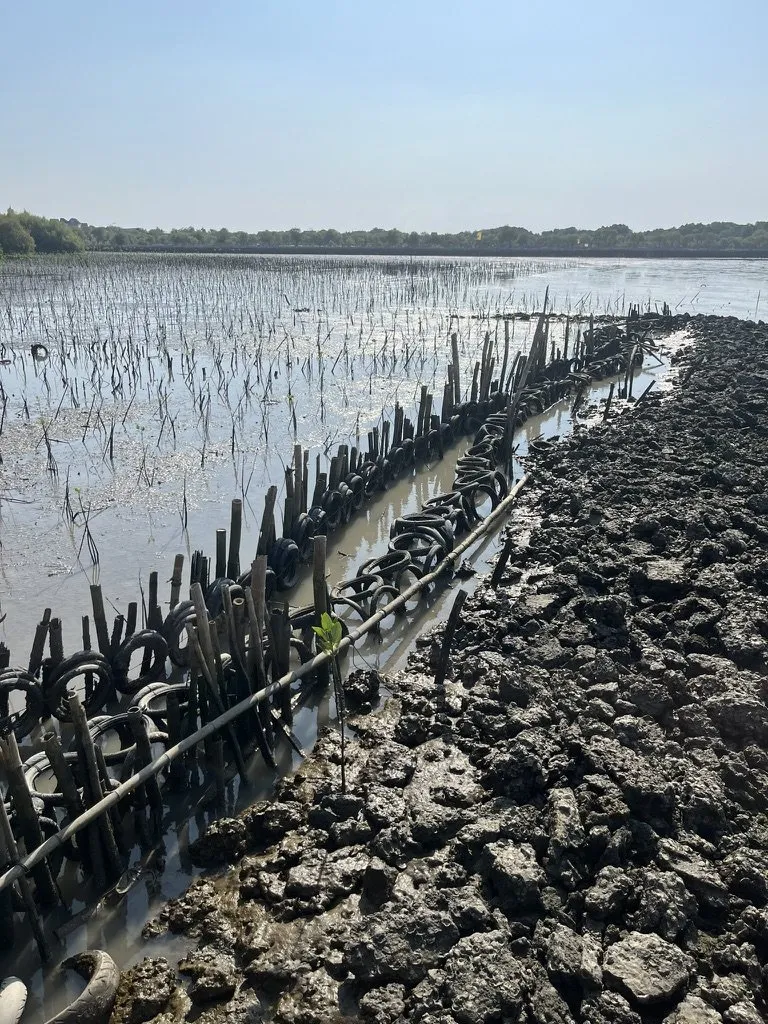
Tidal mudflats
Exposed at low tide; where shorebirds and waterbirds feed.
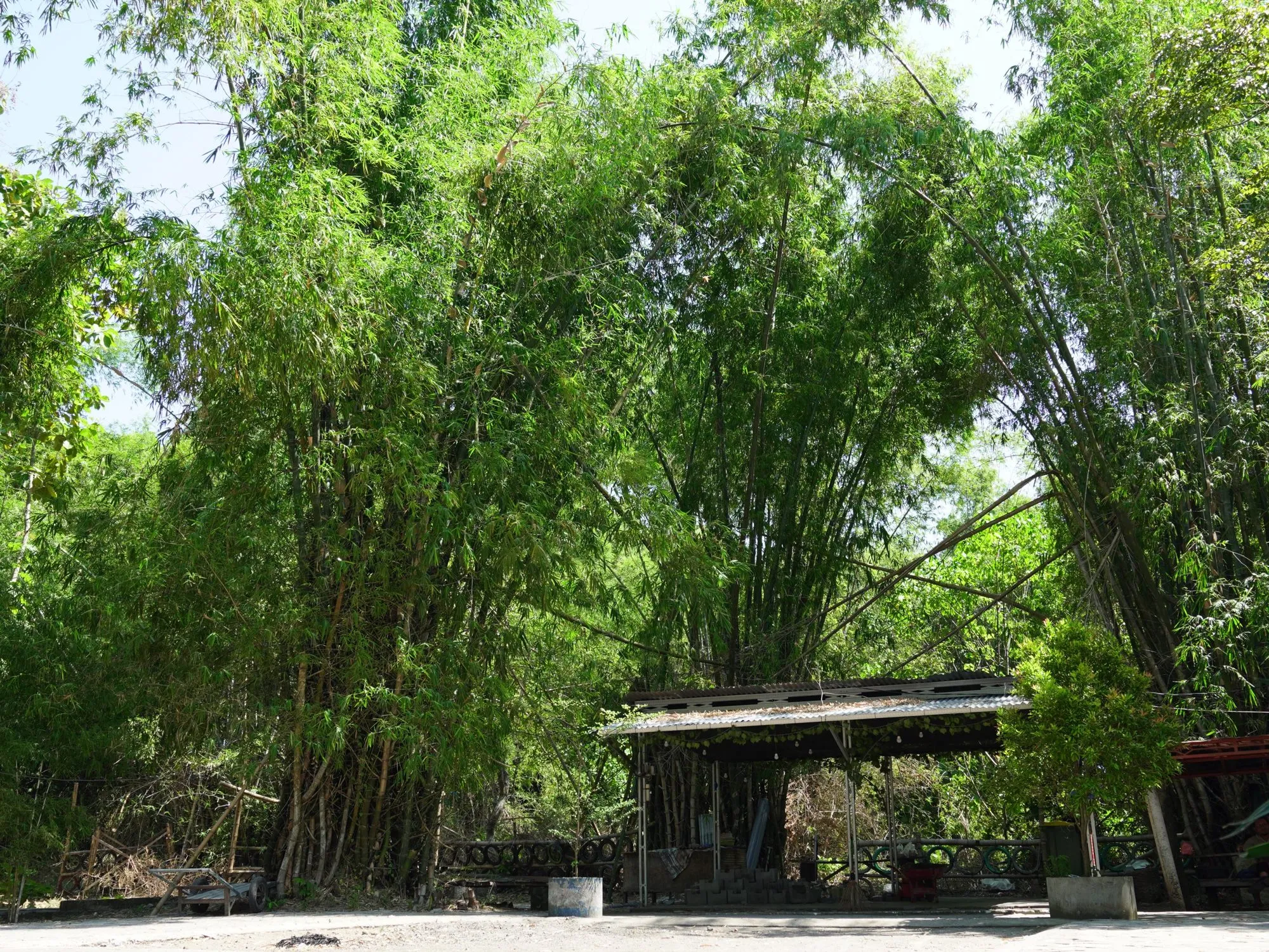
Bamboo and coastal trees
Bamboo groves, she-oak, Pemphis and red silk-cotton trees around the mangroves.
Livelihoods
Mangroves and the community
Fishers catch mud crabs, mullet and small shrimp (rebon, used for shrimp paste) around the restored mangroves, and oysters and clams are gathered at low tide. A 2024 study valued this catch at about Rp 99.5 million a year. Mengare is also known for milkfish ponds and local foods such as bonggolan, shrimp paste and fish crackers.
Learning
A place to learn
Schools come for field lessons and camps, universities for research, and companies and communities to plant. The site hosts yearly biodiversity monitoring, training for local eco-guides, and ocean literacy activities for children and teachers.
See the activities you can join.
Video
Local Heroes Mengare
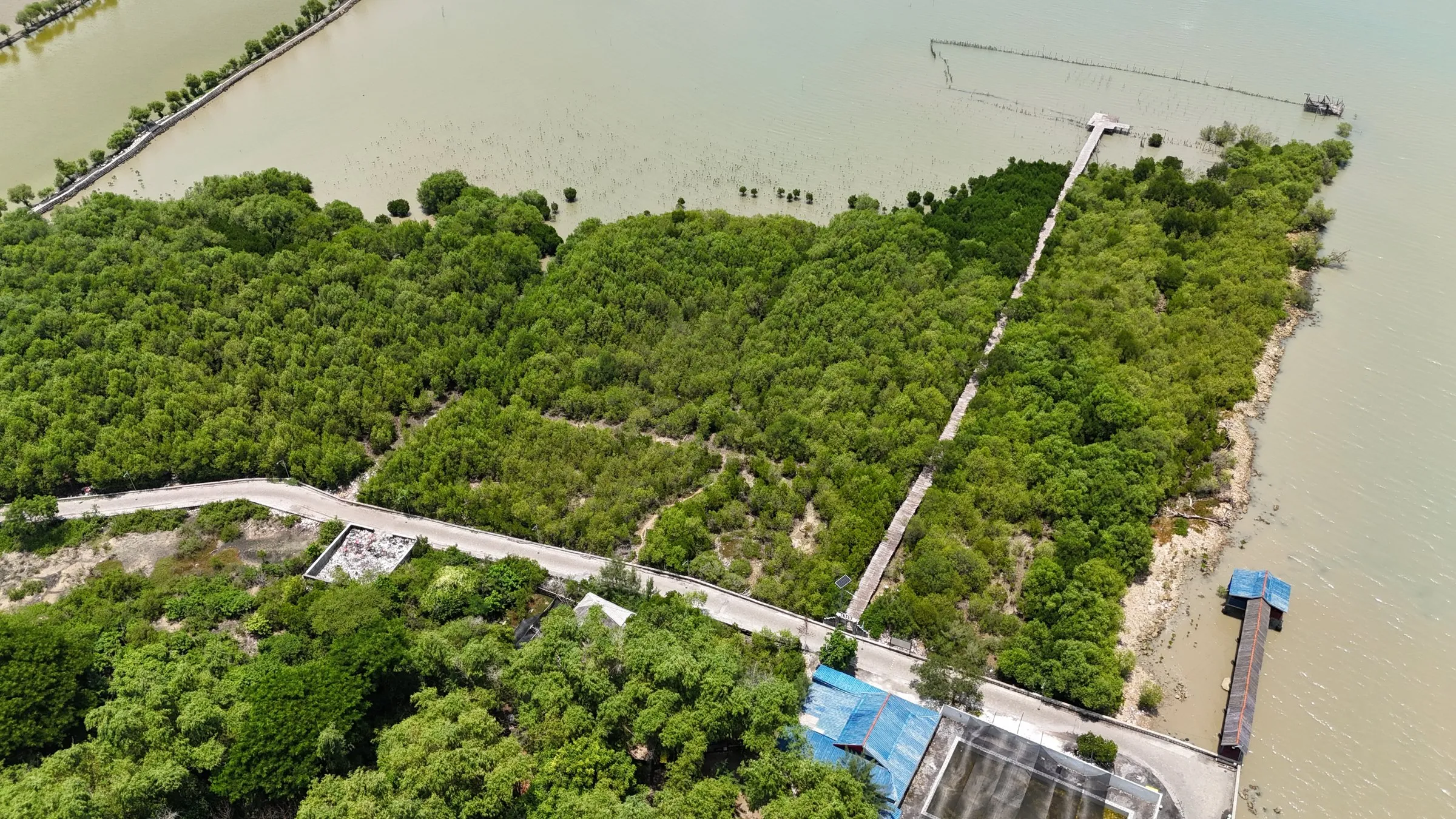
Our journey
How the programme has grown, phase by phase.