 Species
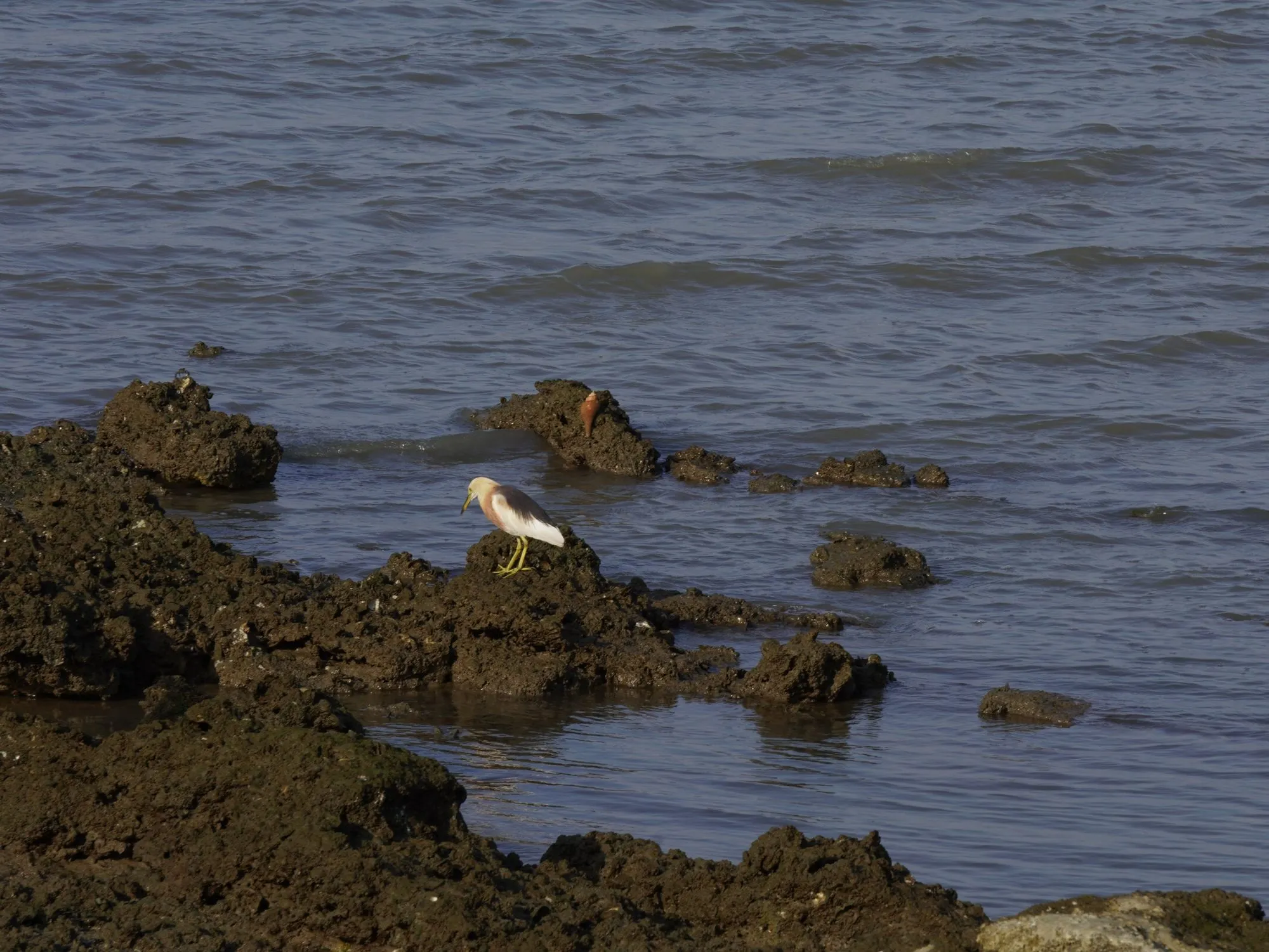
Javan Pond Heron
Ardeola speciosa
One of the most often seen waterbirds at PRPM Mengare: 31 individuals were counted in the January 2026 survey. It feeds on rocks and mud at low tide.
Mangrove Restoration and Learning Centre
Tanjung Widoro village · Bungah · Gresik Regency
At a glance
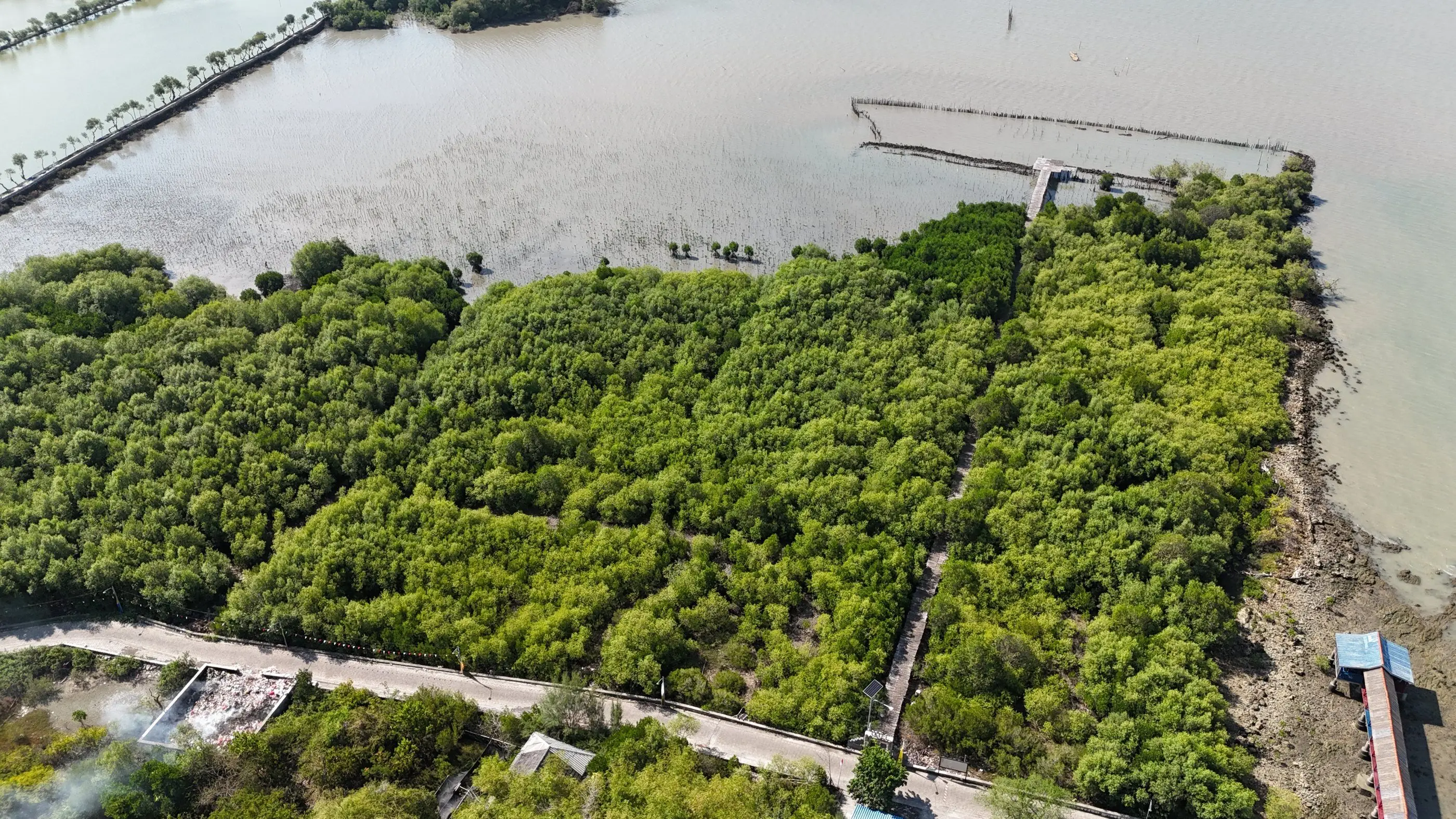
A mangrove forest growing back on eroded aquaculture ponds, and a place to learn about the Mengare coast.
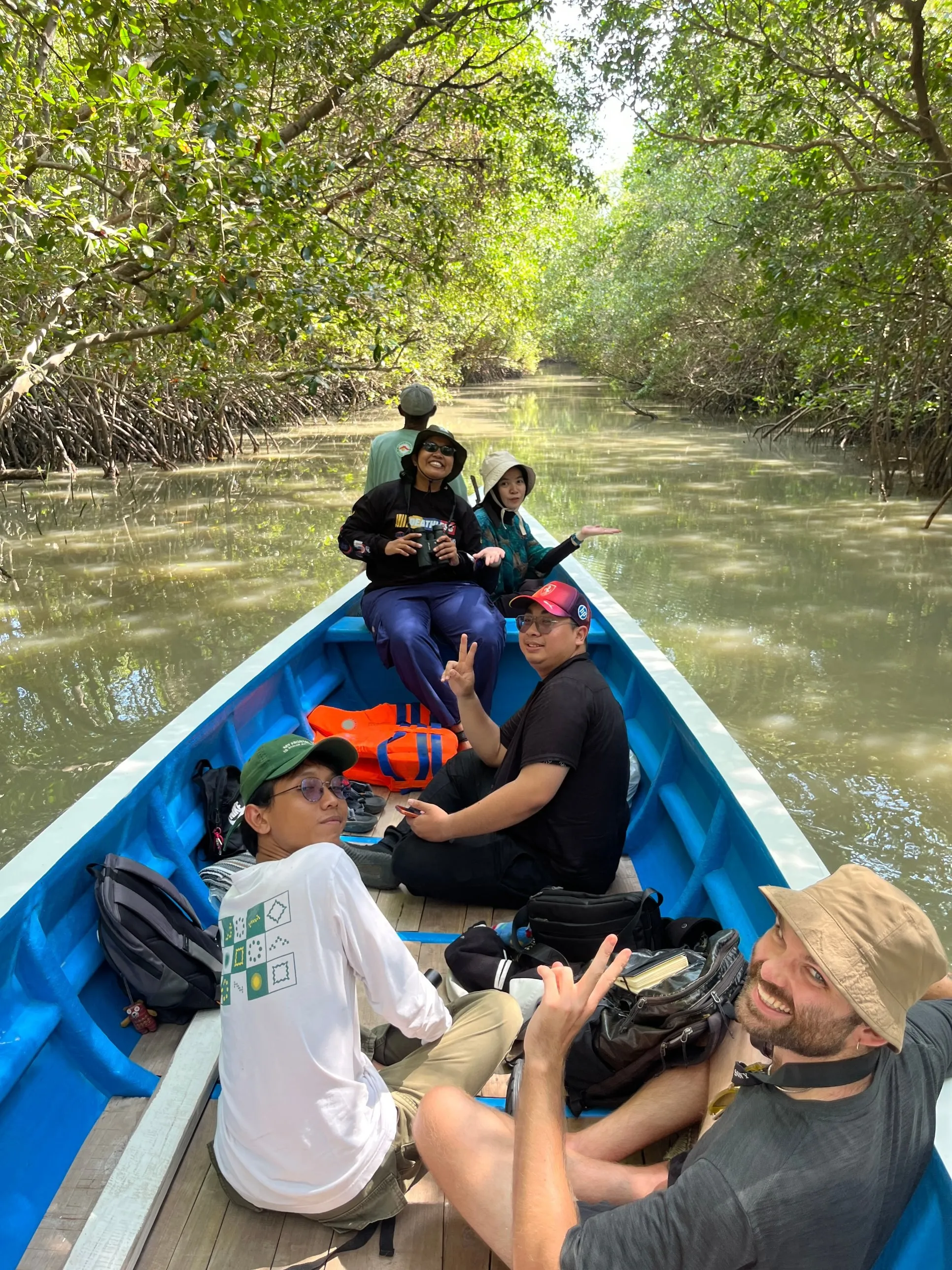
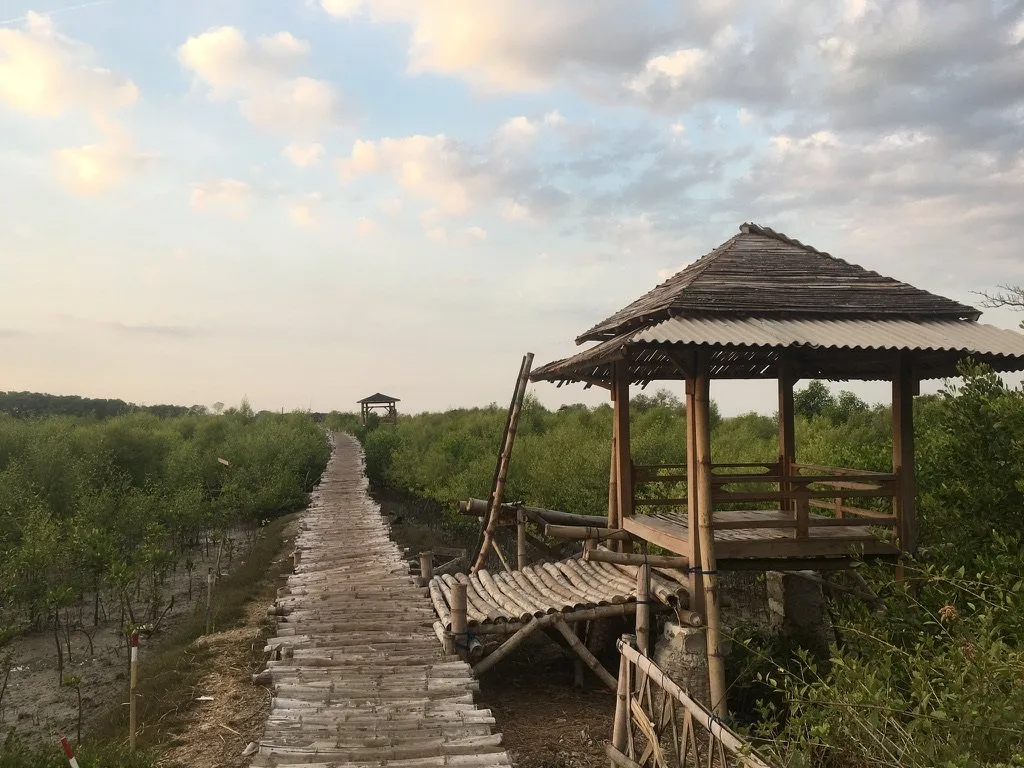
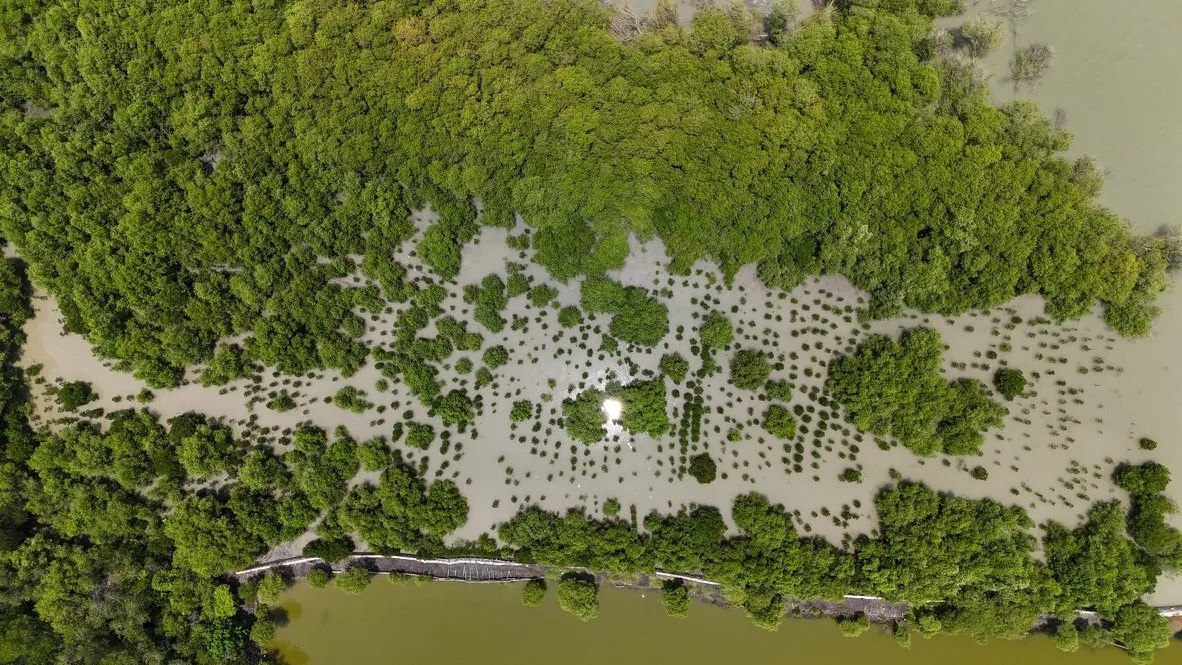
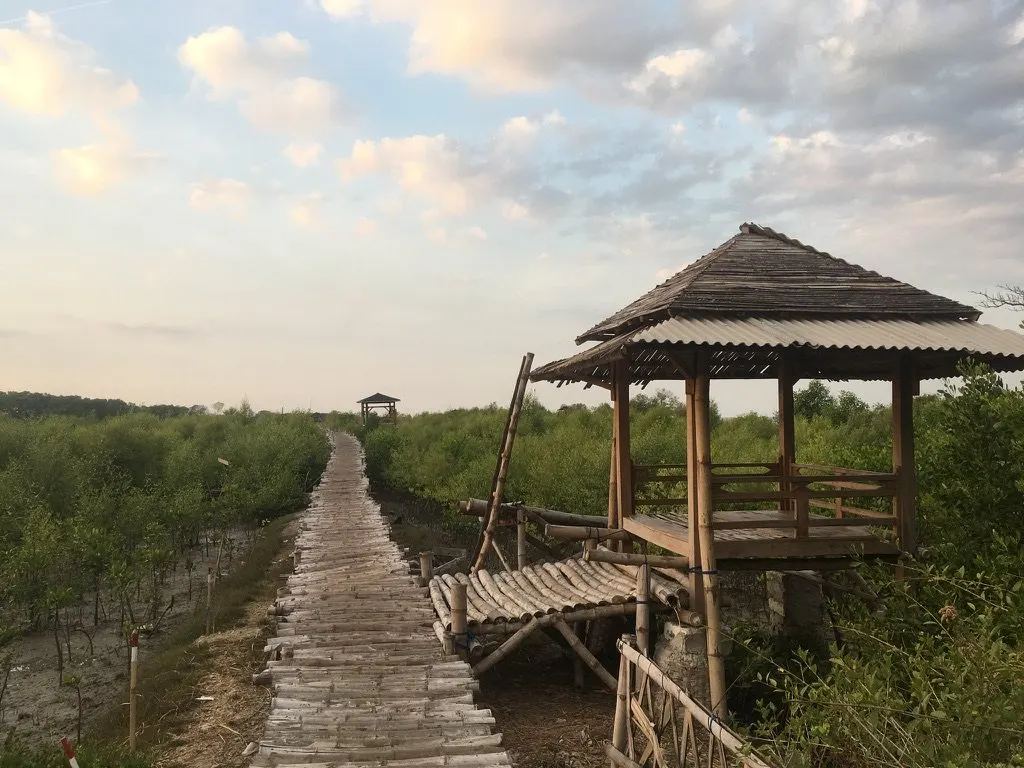
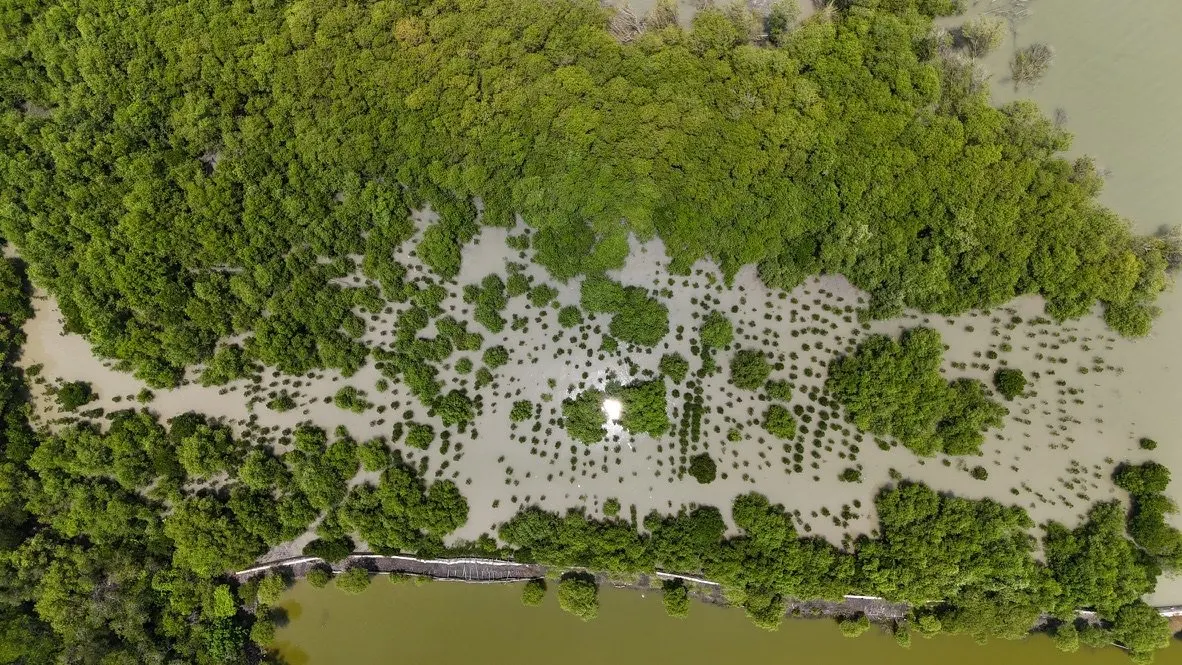
On the northern tip of Mengare, in Tanjung Widoro village, aquaculture ponds lost to erosion are turning back into mangrove forest. Planting began in 2018 with local fishers, and the forest now shelters crabs, oysters and dozens of bird species. Schools, families, researchers and companies are welcome to learn, plant and camp here.
Restored by hand
About 9.5 ha planted on eroded aquaculture ponds since 2018.
Run by local people
Managed by Pokmaswas and Pokdarwis Tanjung Widoro.
A stop for migrating birds
Sandpipers and terns rest here on the East Asian–Australasian Flyway.
By appointment. Message the team on Instagram before you come.
About 27 km from Gresik town centre, via Bungah. Minibuses (Elf size) can drive to the site. Large buses stop at Sembilang Pak Kasan, and a shuttle takes the group the rest of the way.
Activities are timed around the tide: shorebirds feed on the mudflats at low tide, while planting and boat trips need the right water level. The team will suggest a time when you book.
Do not walk over newly planted mangroves, do not cut mangroves, and take your rubbish home.
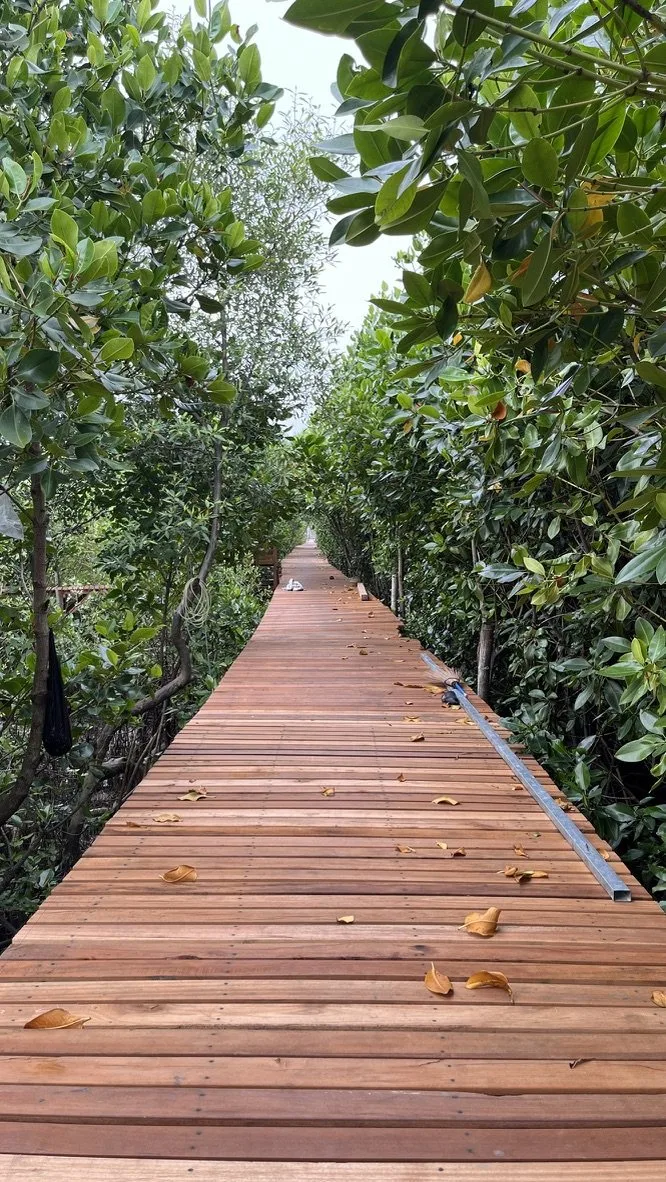
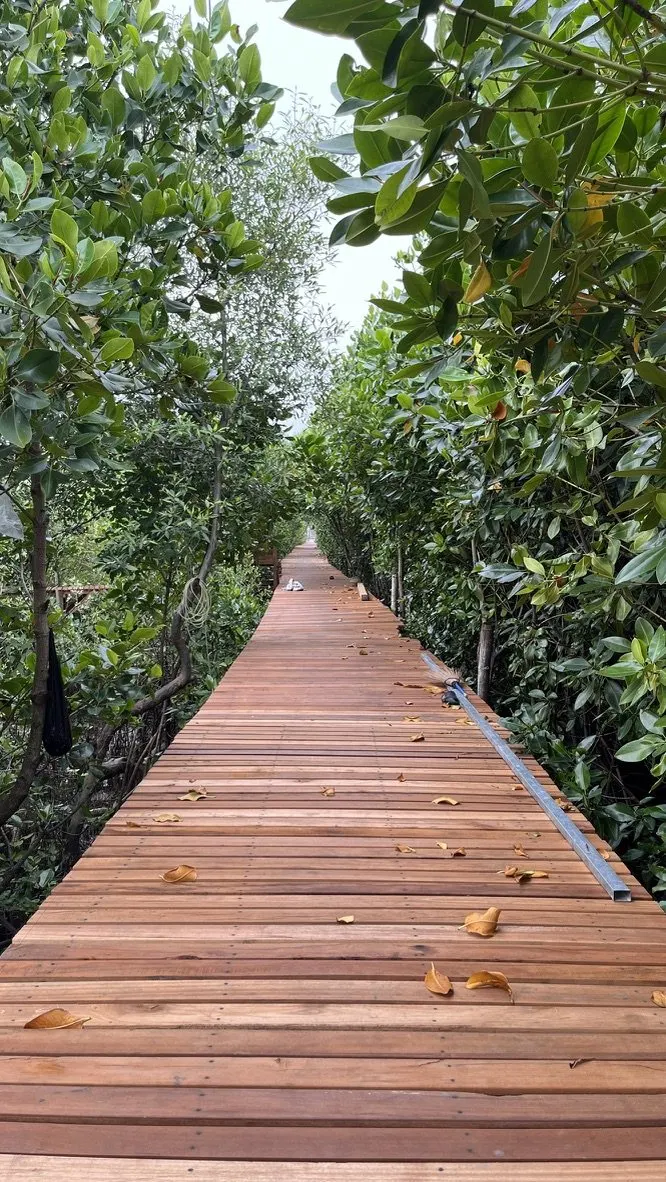
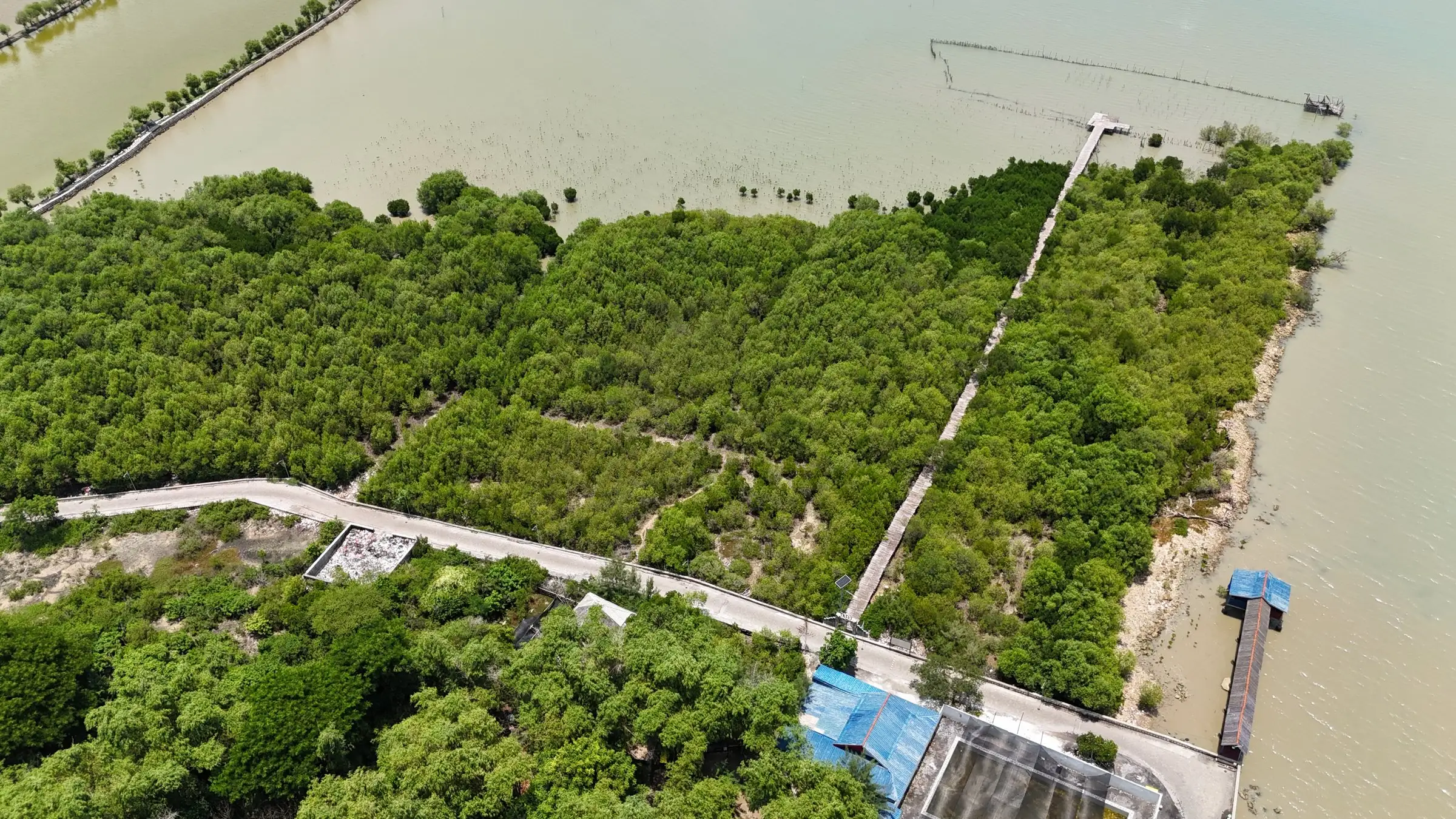
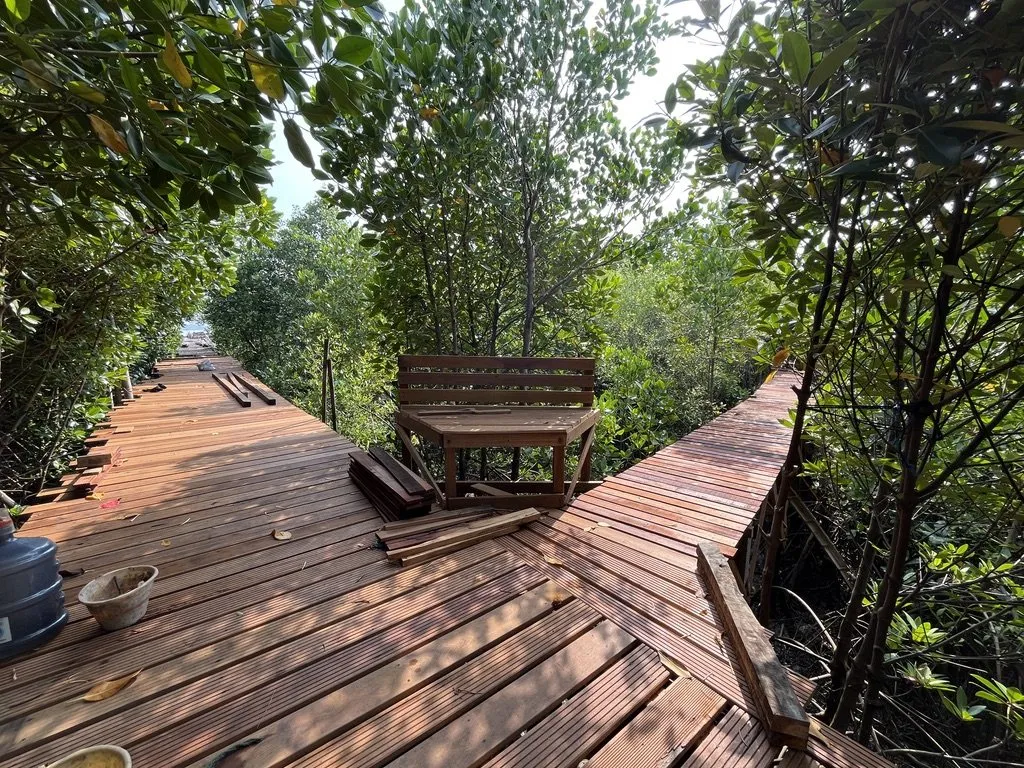
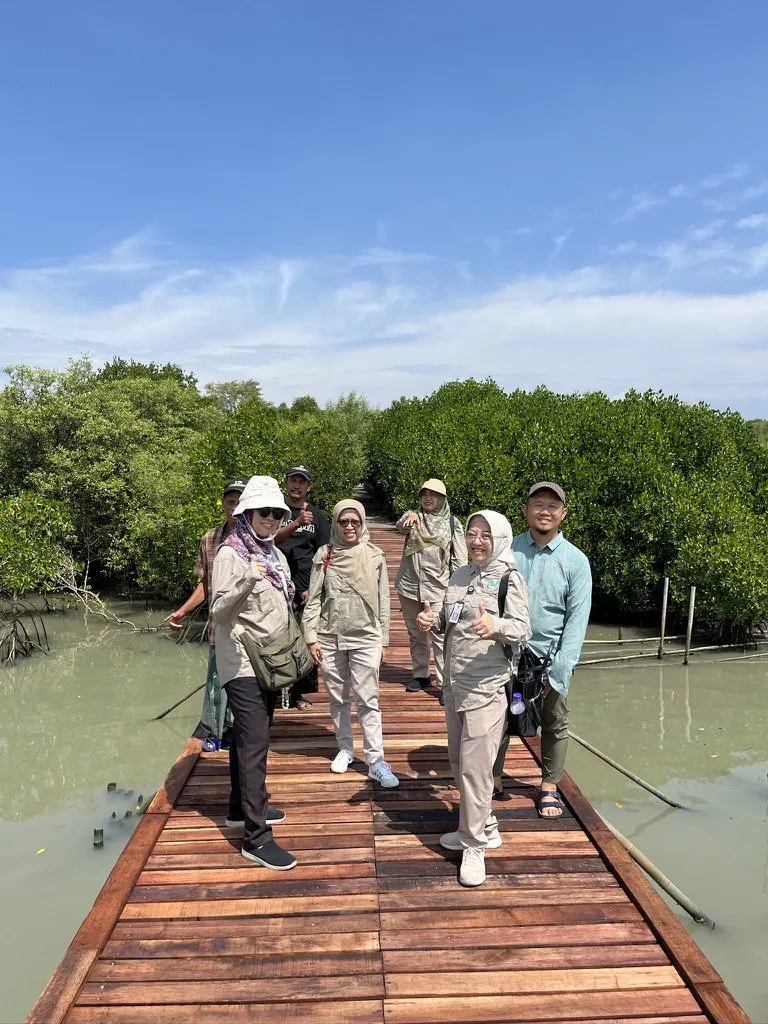
The mangrove boardwalk is 180 cm wide, enough for wheelchairs and pushchairs. Ground off the boardwalk is muddy and uneven; please ask the team about access to the boardwalk before you come.
For entry fee & guides: ask the team on Instagram DM before you visit.

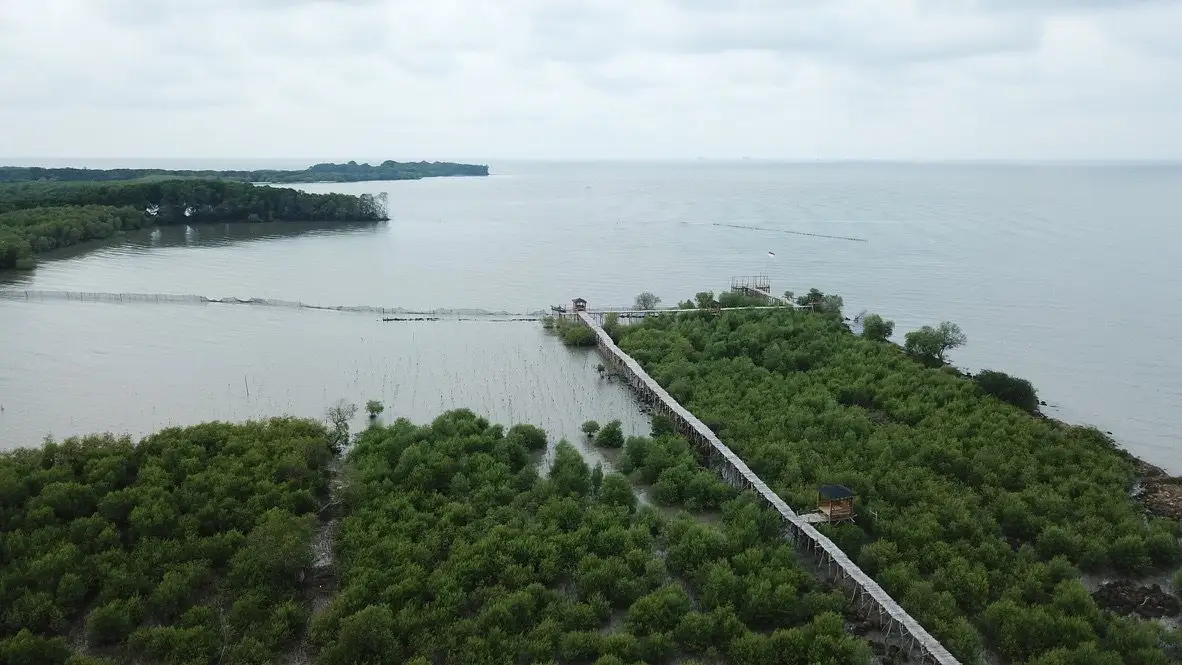
Learn and take part
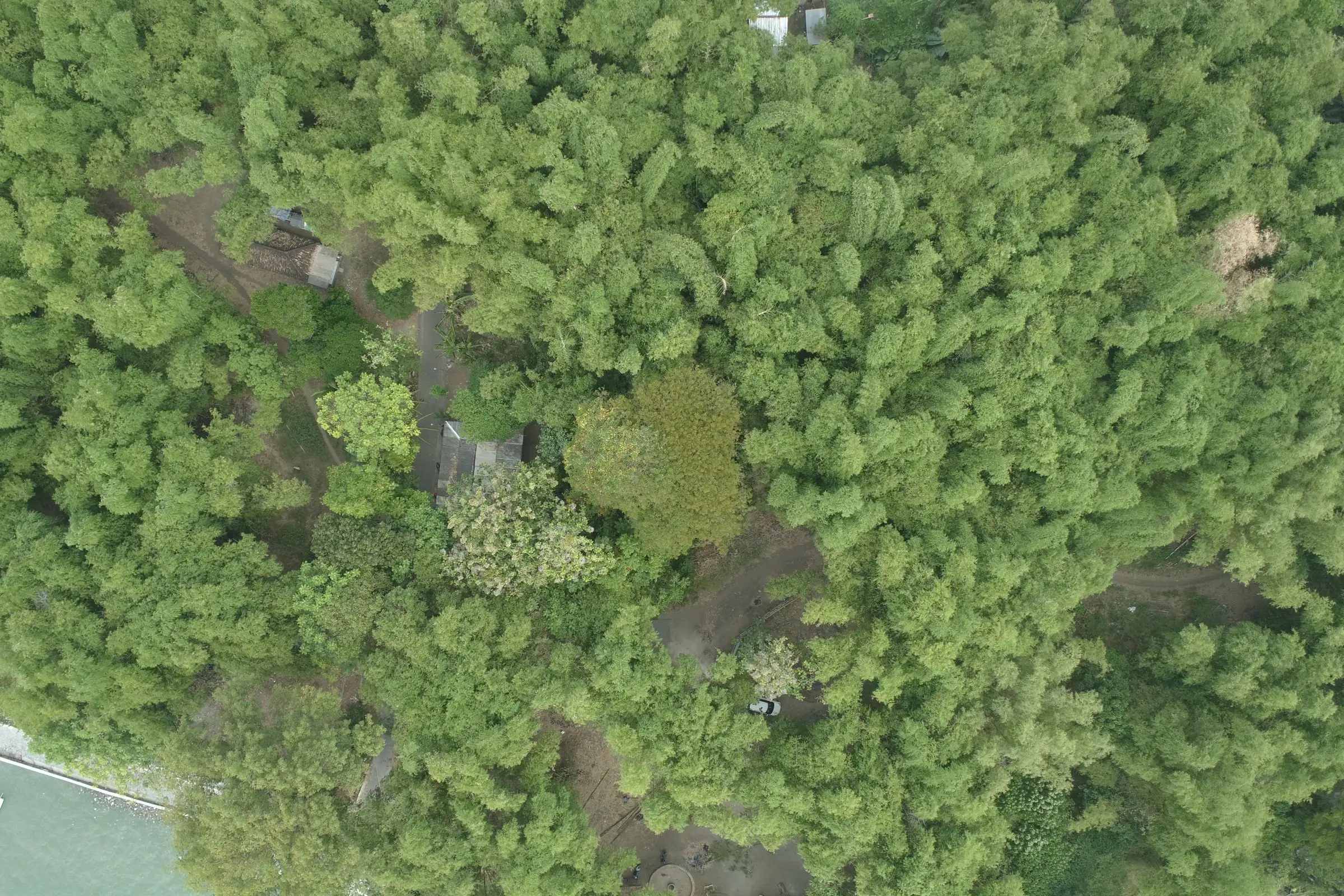
Programmes for schools, universities, families, companies and communities: learn about mangroves, plant them, camp beside them, or watch the birds they bring back.
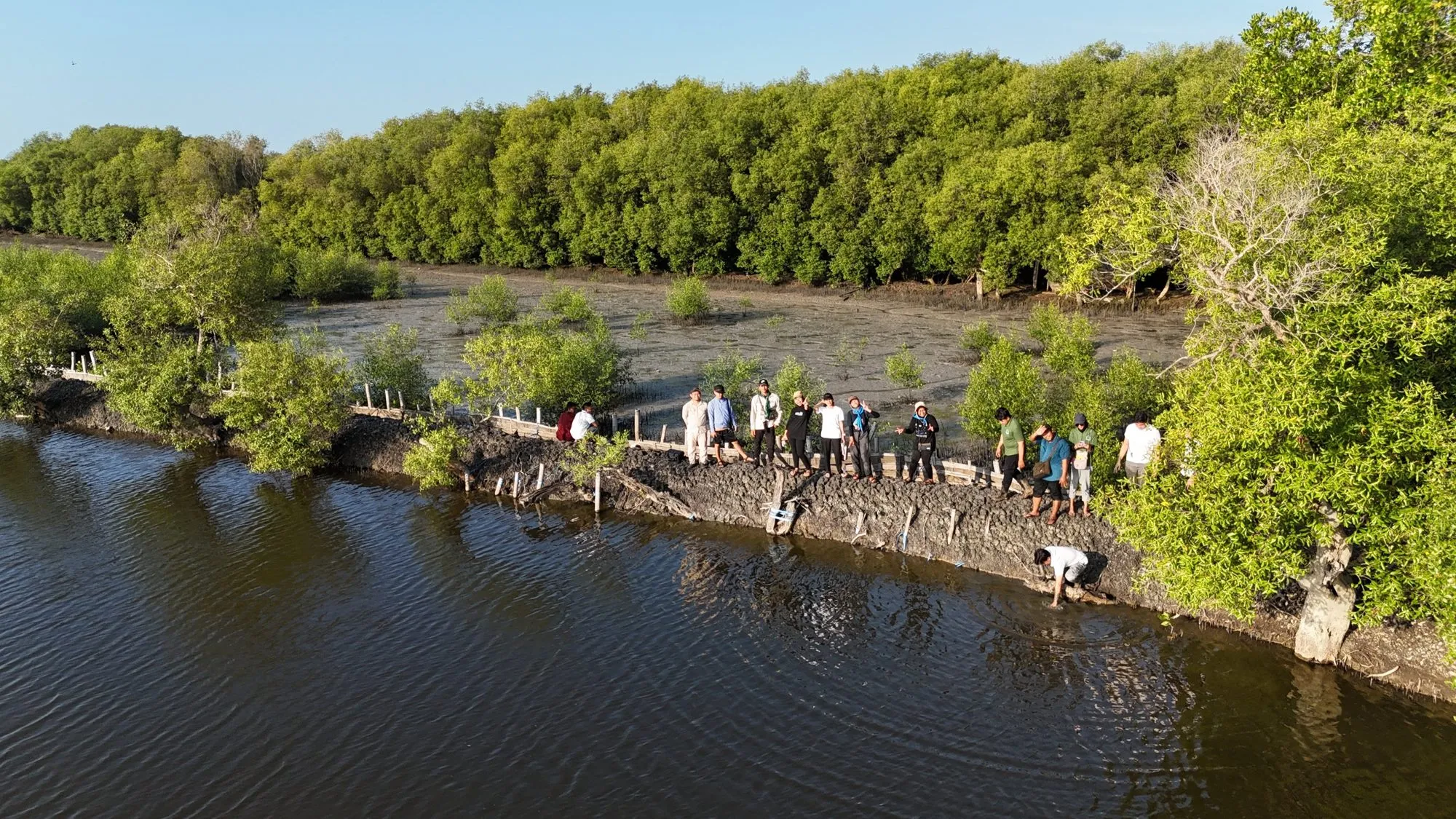 Education
Learn in a restored mangrove forest: from eroded aquaculture ponds to the wildlife that has come back.
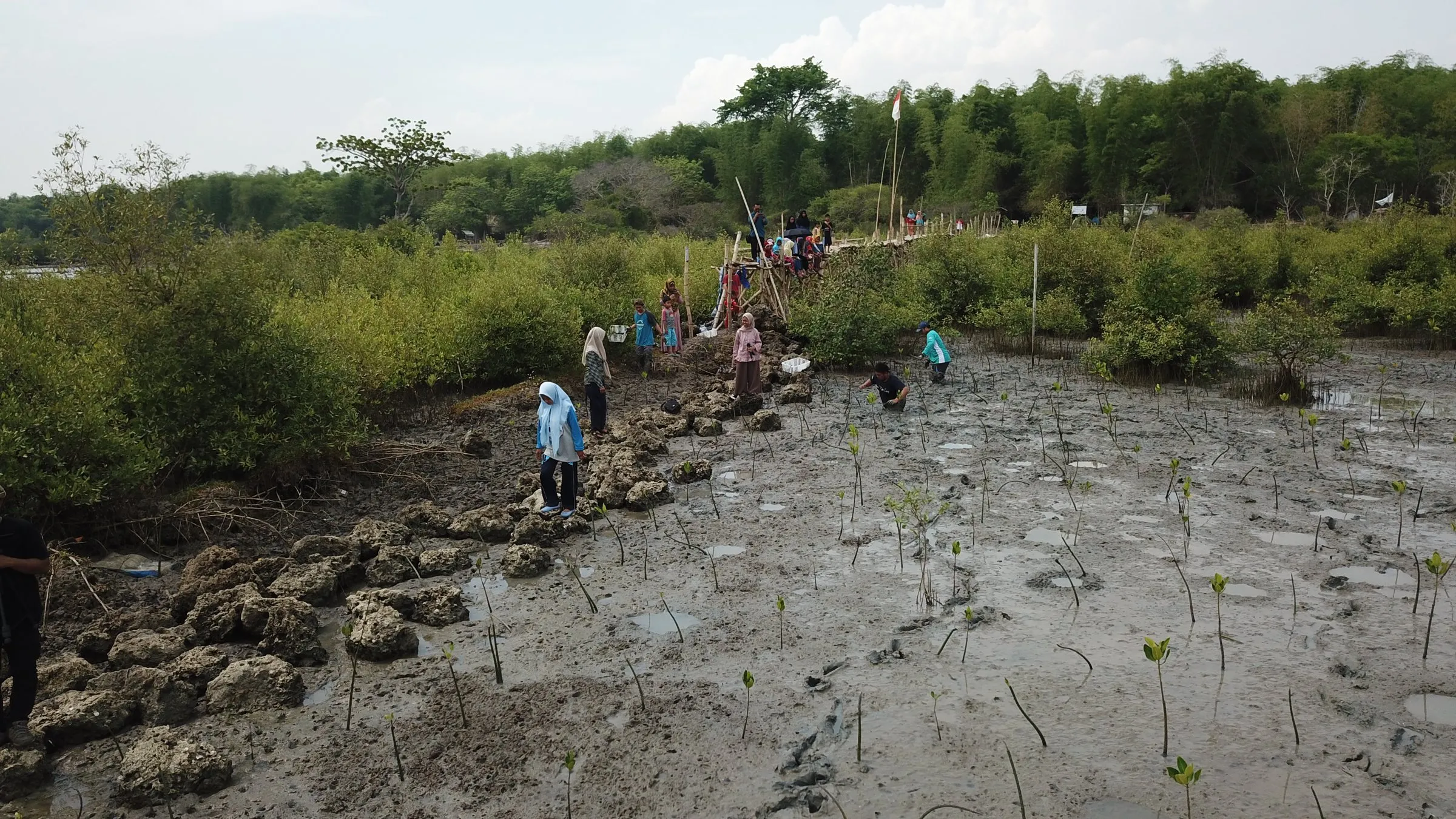 Restoration
Plant mangroves on eroded aquaculture ponds with the local fishers who have looked after this site since 2018.
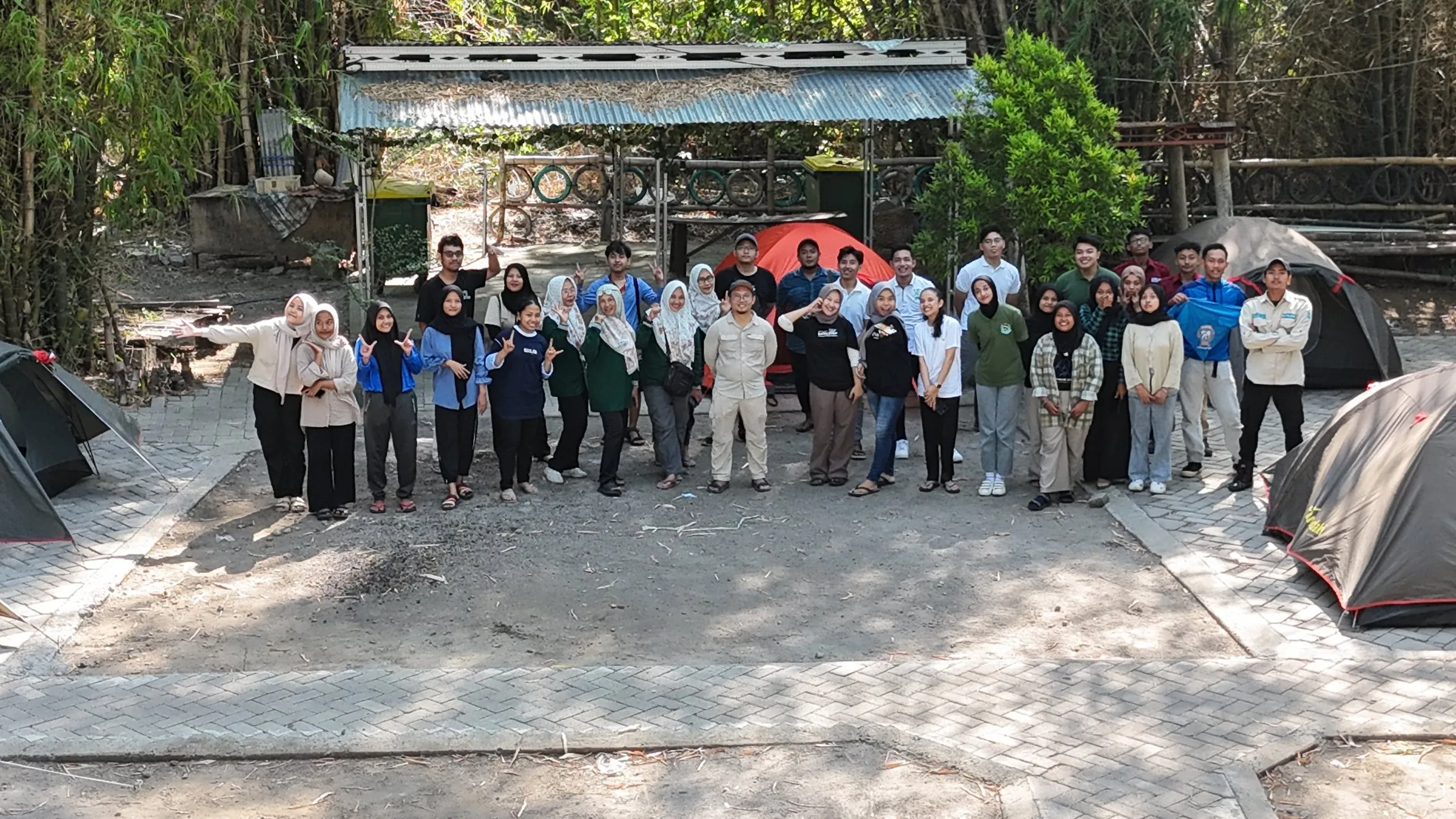 Stay
Camp beside the mangrove forest, for schools and community groups.
Facilities
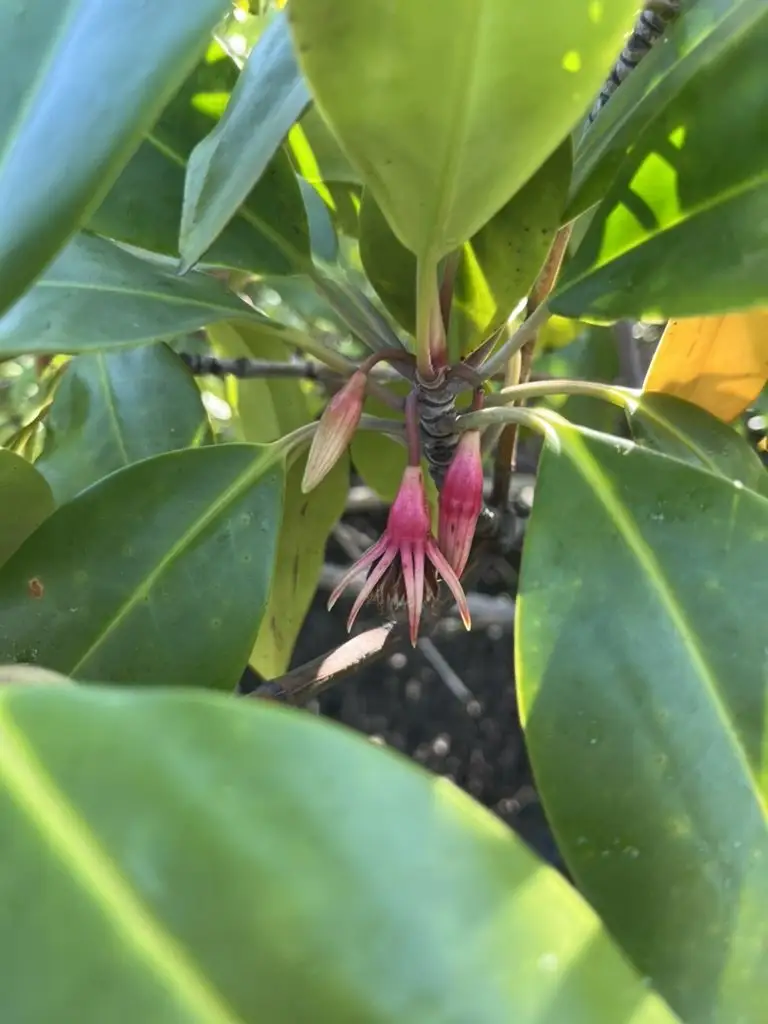
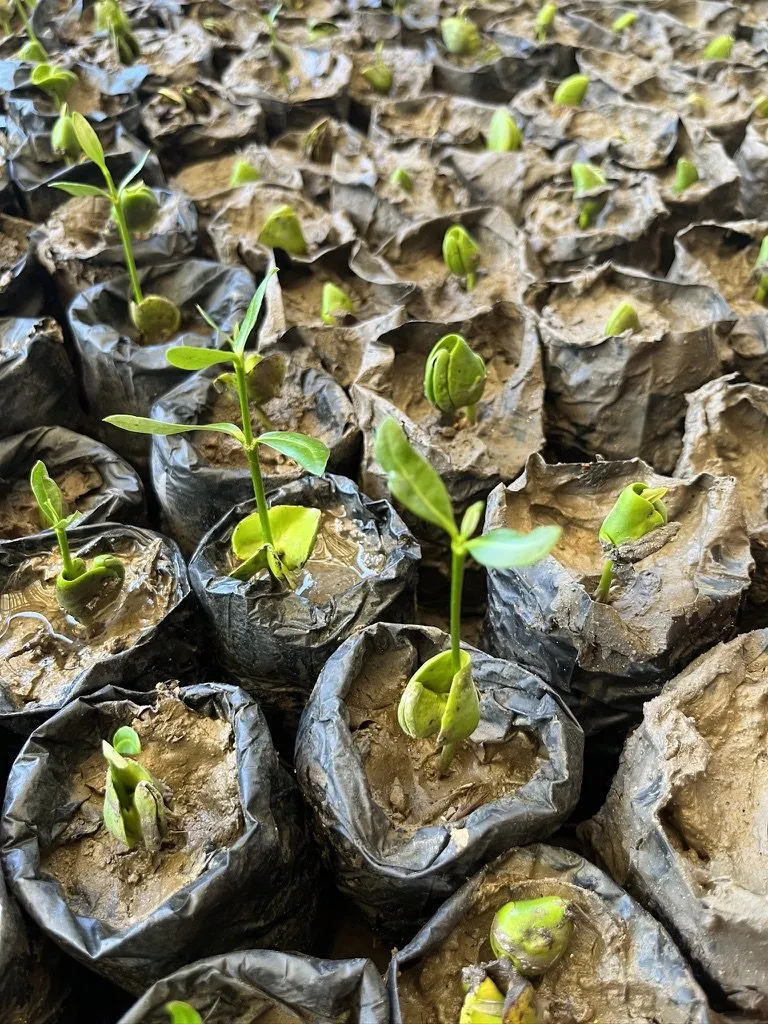
A mangrove nursery, a mangrove boardwalk into the forest, a hall for talks, a camping ground, a prayer room and public toilets. The nursery also raises Bruguiera hainesii, one of the rarest mangroves in the world.
Plan your visitThe January 2026 survey recorded 68 bird species, 15 of them protected in Indonesia, including the Milky Stork and the Javan Coucal. The 2025 inventory recorded 22 mangrove species, one of them so far only as seedlings in the nursery.
See the biodiversity data Species Ardeola speciosa
One of the most often seen waterbirds at PRPM Mengare: 31 individuals were counted in the January 2026 survey. It feeds on rocks and mud at low tide.
 Species
Avicennia marina
The most common species at PRPM Mengare. Its leaves give off salt crystals, and the young leaves are cooked in Gresik's sego roomo.
 Species
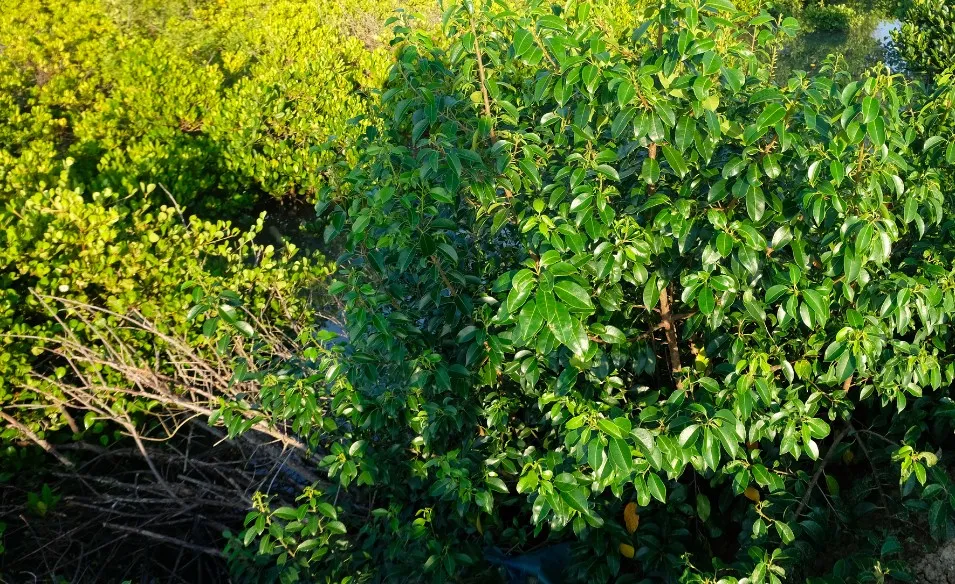
Excoecaria agallocha
Its milky sap is toxic and can cause temporary blindness if it gets in the eyes, hence the local name buta-buta.
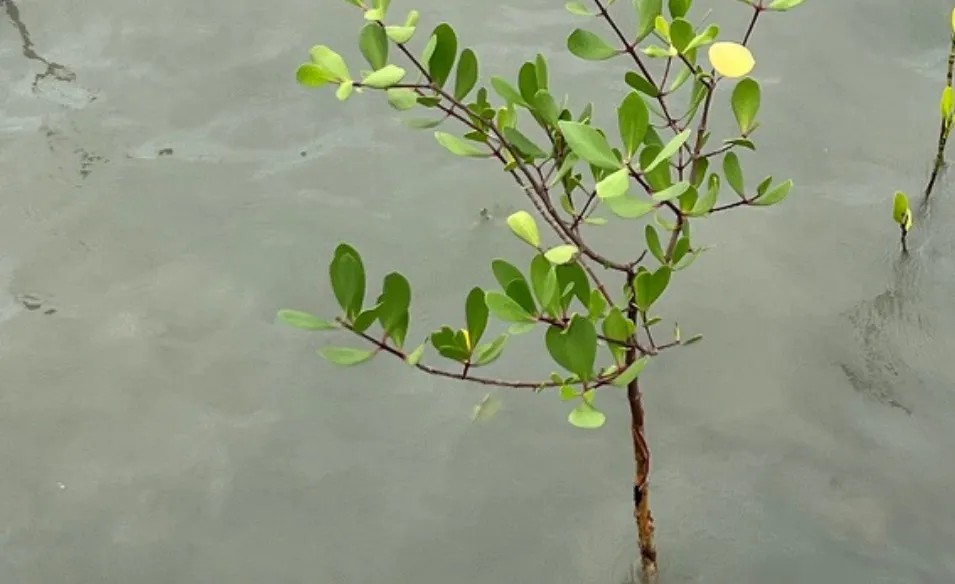 Species
Sonneratia alba
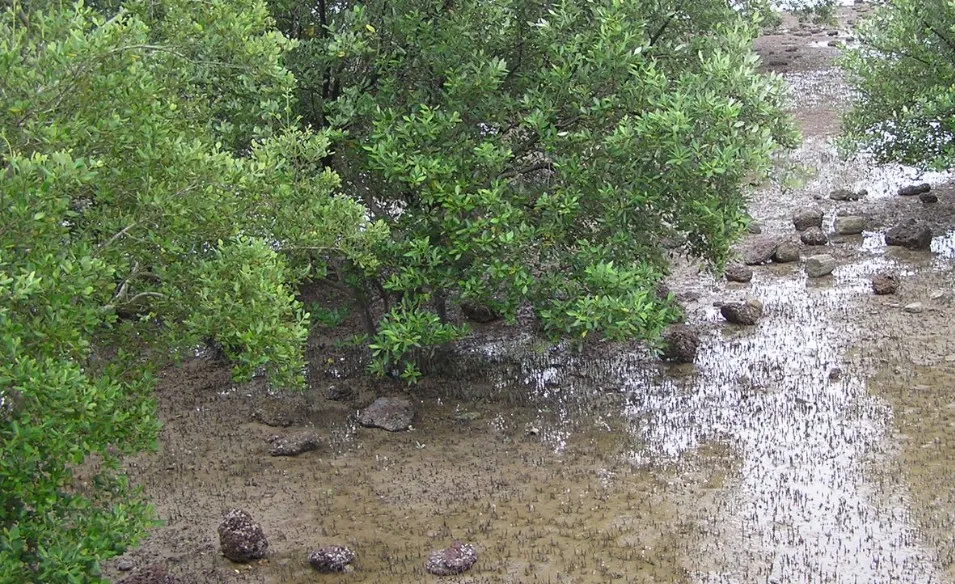
Its flowers open at night and are pollinated by bats and moths. Its cone-shaped breathing roots stick up out of the mud.
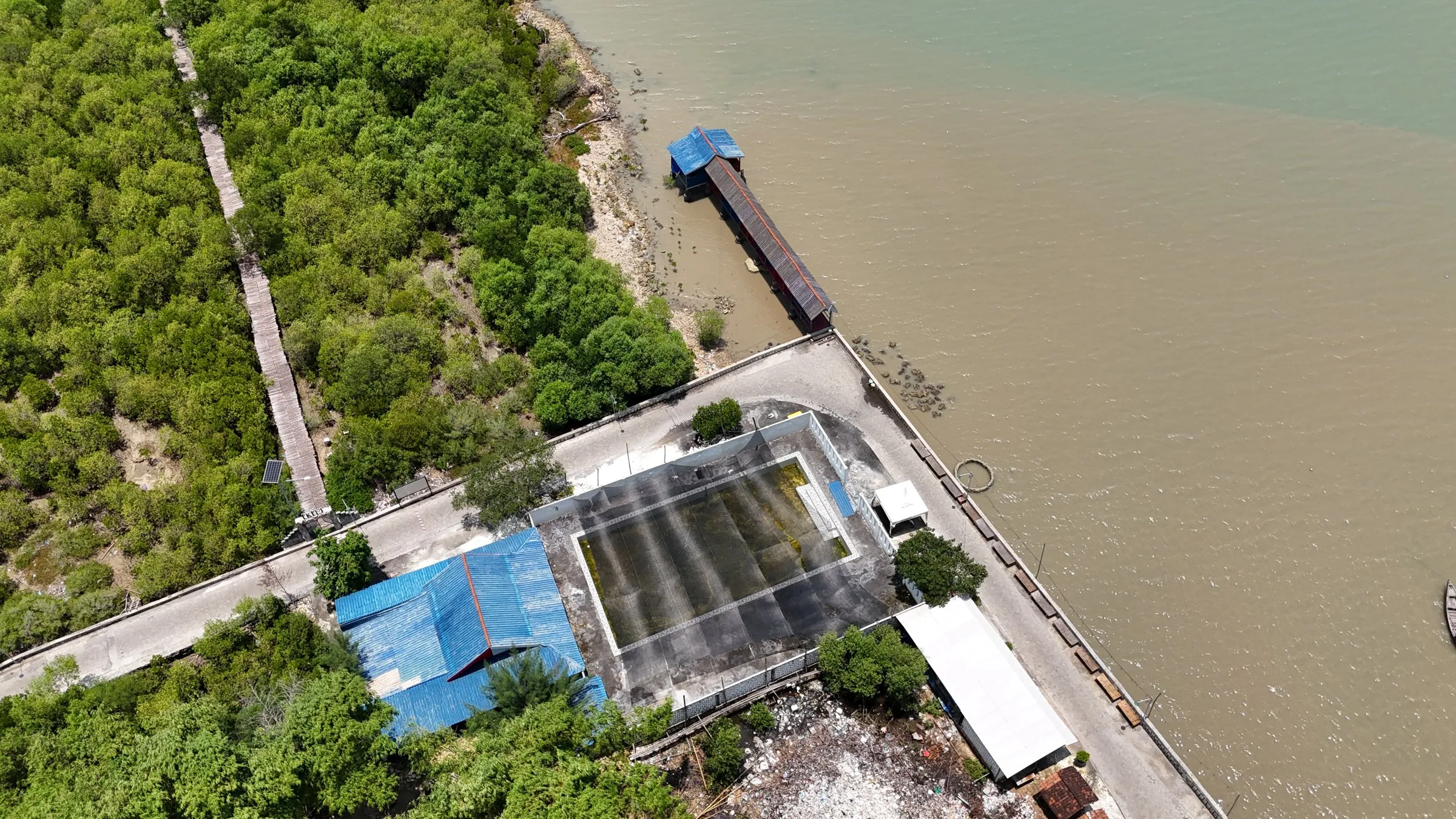
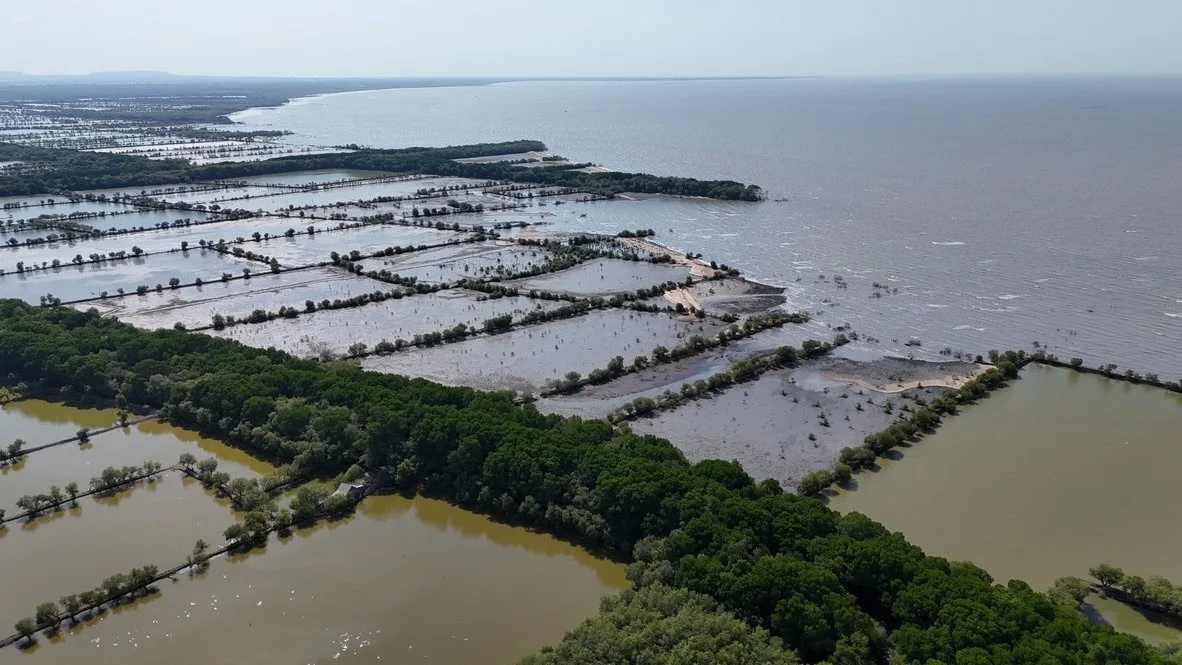
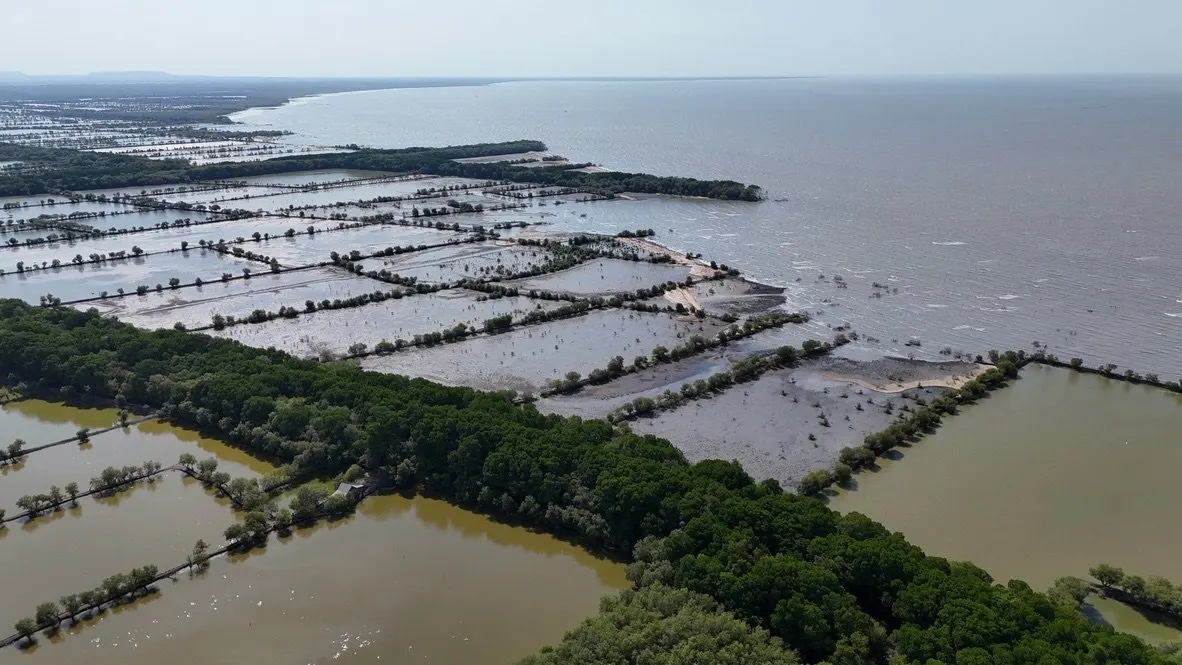
This land was once aquaculture ponds. Between 1999 and 2013 erosion took about 190 hectares of the village coast, leaving mud and broken dykes. Earlier plantings were washed away because the species used could not cope with the waves.
In 2018 restoration started again, this time with pioneer species and local fishers doing the work. Mangrove cover grew from 5.01 hectares in 2019 to 7.34 hectares in 2026. Cover is the area under mangrove canopy today; it differs from the ±9.5 ha planted, which is the total area planted since 2018.
Our journey
The Tanjung Widoro coast used to be lined with aquaculture ponds. Coastal erosion wore down their dykes until only mud and rock were left, and the ponds could no longer be farmed.
Learning from earlier failures, restoration was redesigned: pioneer species planted in the right places, moving step by step from sheltered to open ground, with local people doing the work.
The growing forest became a classroom: schools, universities, companies and communities come to plant, camp and meet coastal wildlife.
Get involved
Companies, schools and communities can plant mangroves with local fishers or support research and bird monitoring. Get in touch to plan it together.
Contact us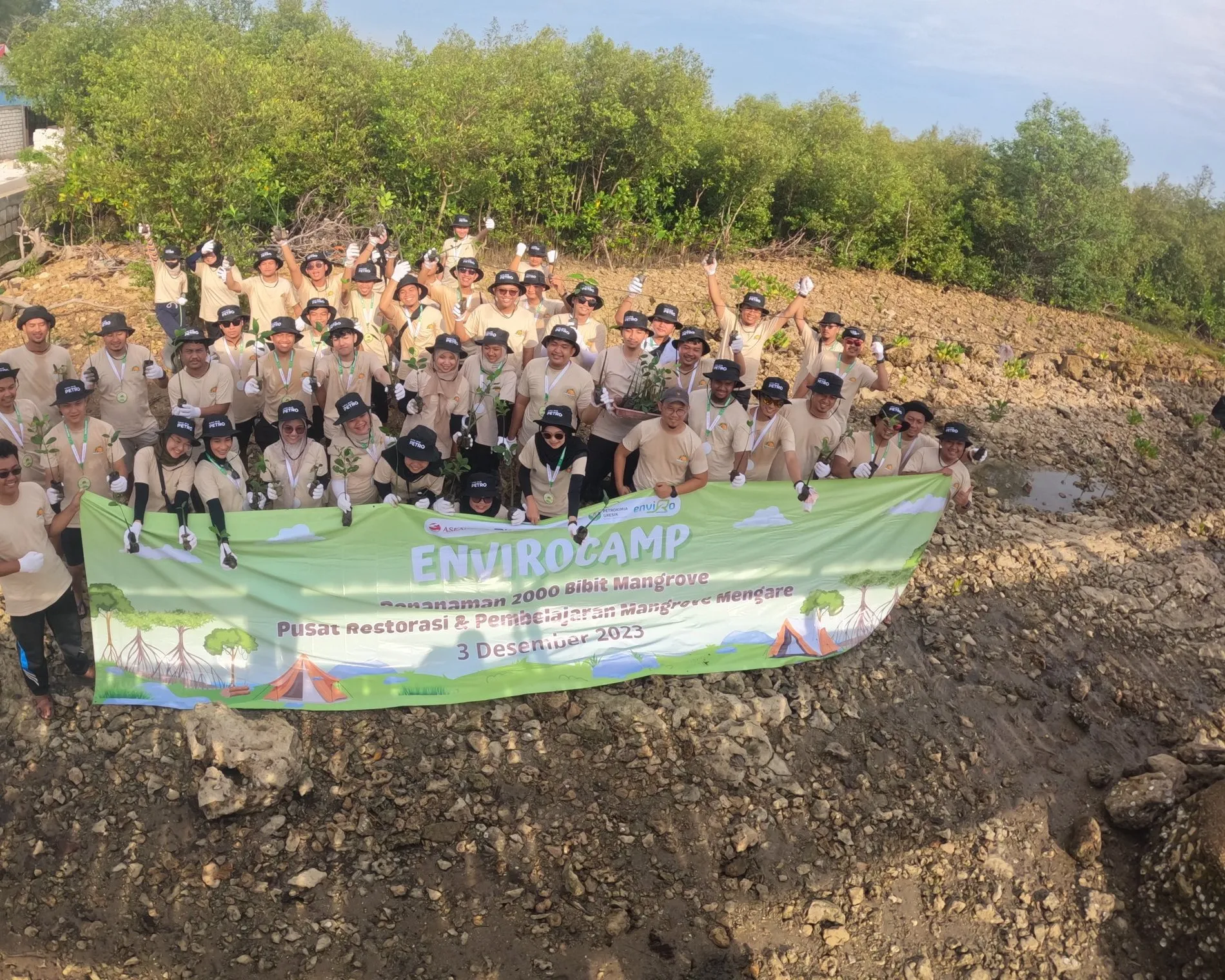
Schools and groups
Students learn why mangroves matter on an eroding coast, how seedlings are raised and planted, and which birds and animals depend on them. Programmes can include planting, an overnight camp, or research for university students.
Latest
FAQ
The Mengare Mangrove Restoration and Learning Centre: mangroves restored since 2018 on eroded aquaculture ponds. It is a CSR (TJSL) programme of PT Petrokimia Gresik, managed by the Pokmaswas Tanjung Widoro and Pokdarwis Tanjung Widoro community groups. Locals also call it Warakas or Wisata Mangrove Mengare.
In Tanjung Widoro village, Bungah district, Gresik Regency, at the northern tip of Mengare facing the Madura Strait, about 27 km from Gresik town centre.
Learn about mangroves, plant and raise mangrove seedlings, camp, and watch shorebirds and waterbirds.
Yes. Schools, universities and community groups come regularly to learn, plant and camp. There is a hall, a prayer room, public toilets, a camping ground and a food stall. Elf-size minibuses can reach the site; large buses stop at Sembilang Pak Kasan and a shuttle takes the group on.
Visits are by appointment, and activities are timed around the tide. Message the team on Instagram to set a time.
Contact
Spotted something interesting?
Your photos and notes on birds, fish and plants help us monitor how the mangroves are recovering.
Send a sighting