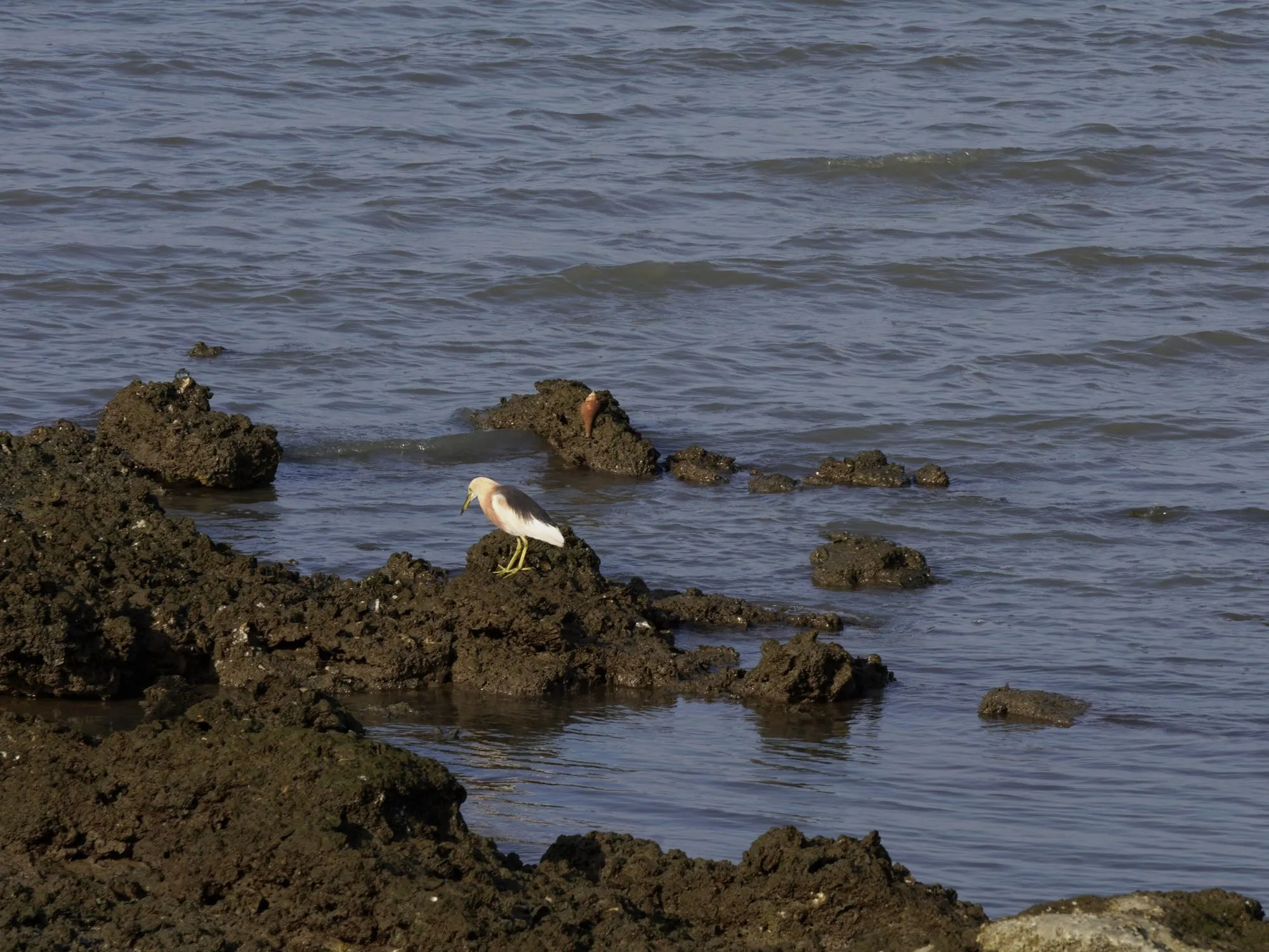
Javan Pond Heron
Ardeola speciosa
One of the most commonly seen waterbirds at PRPM Mengare: 31 individuals were counted in the January 2026 survey. It feeds on rocks and mud at low tide.
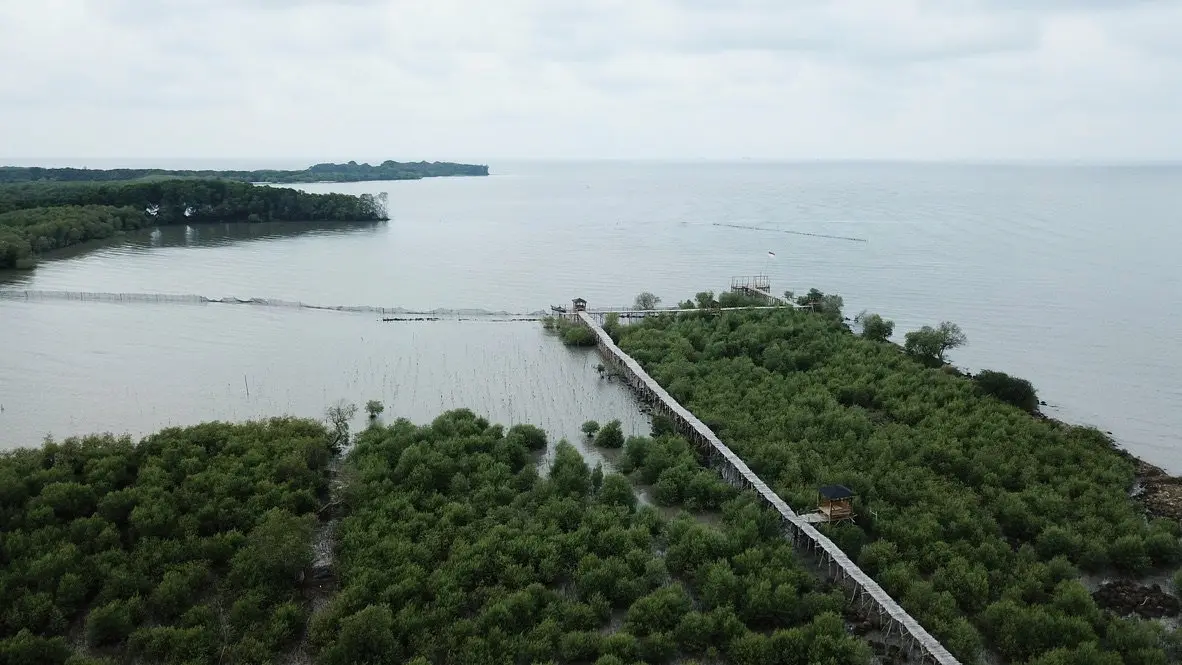
What to see
Mangroves are growing back on eroded ponds. At low tide shorebirds feed on the mudflats, and a Daendels fort stands in ruins nearby.
Special features
Swipe to see more →
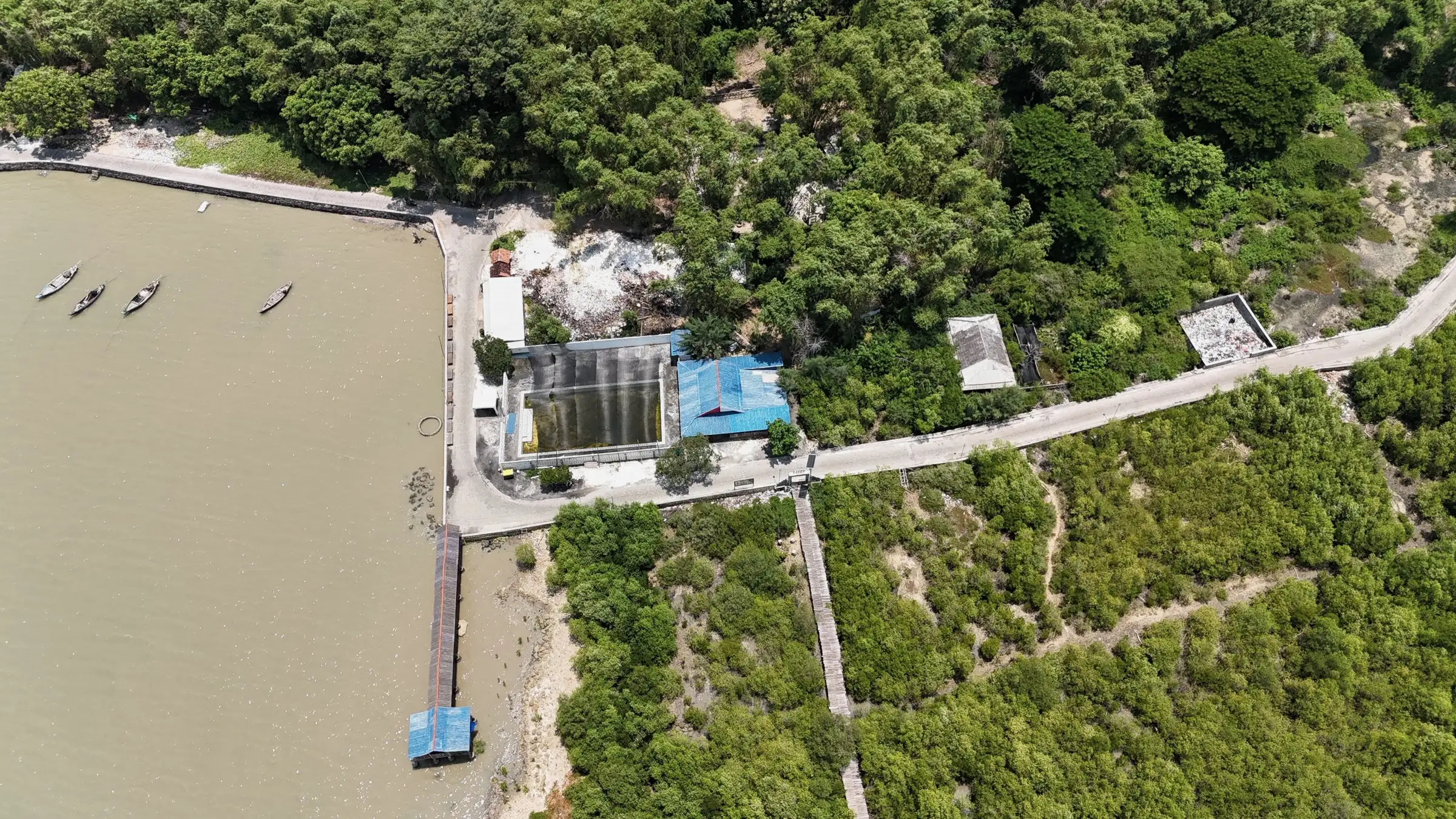
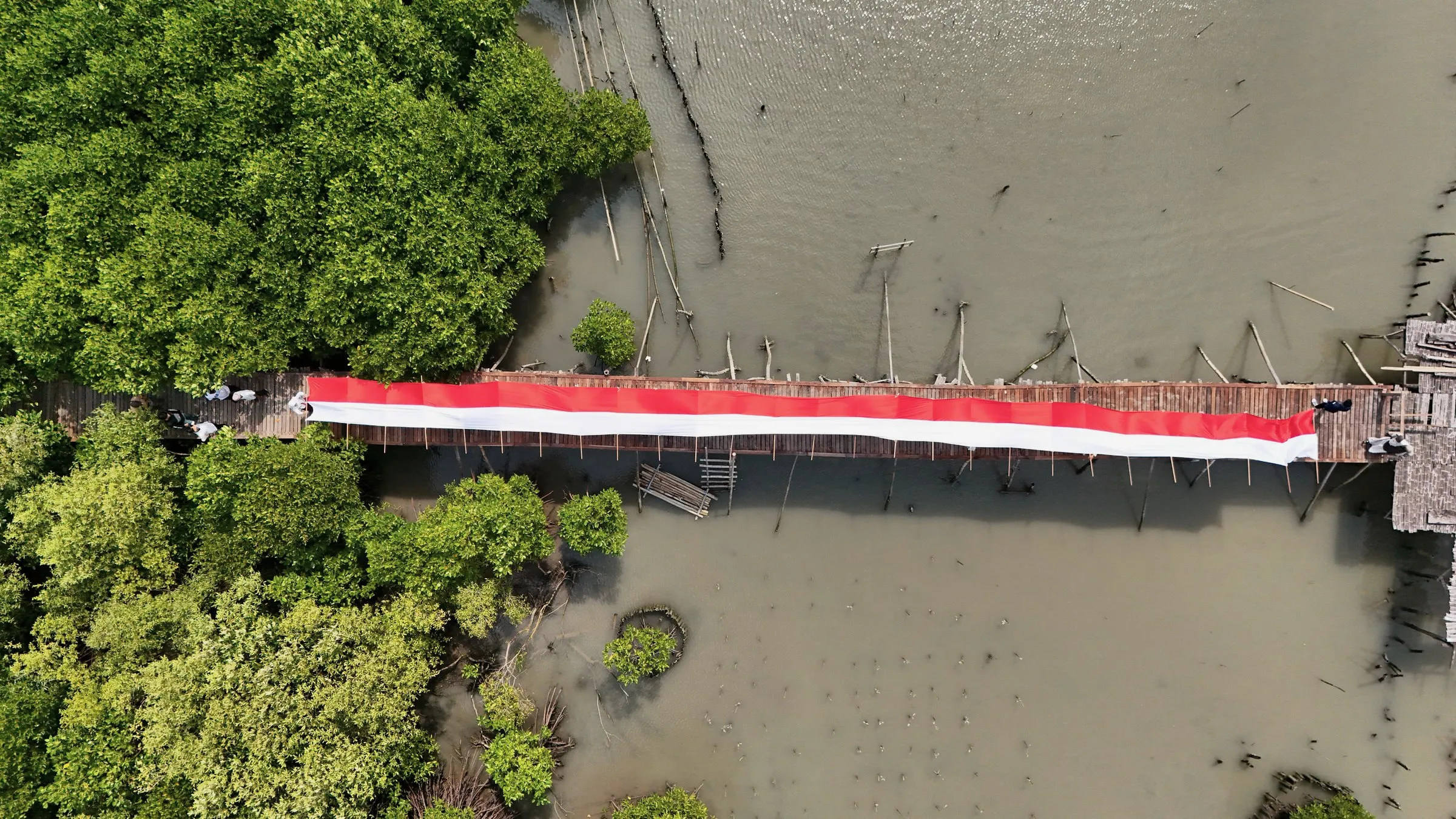 Aerial photo, August 2025
A boardwalk about 224 m long and 180 cm wide to see the mangroves up close without stepping on seedlings. It is wide enough for a wheelchair, but the way from the car park to the start of the boardwalk may not be level.
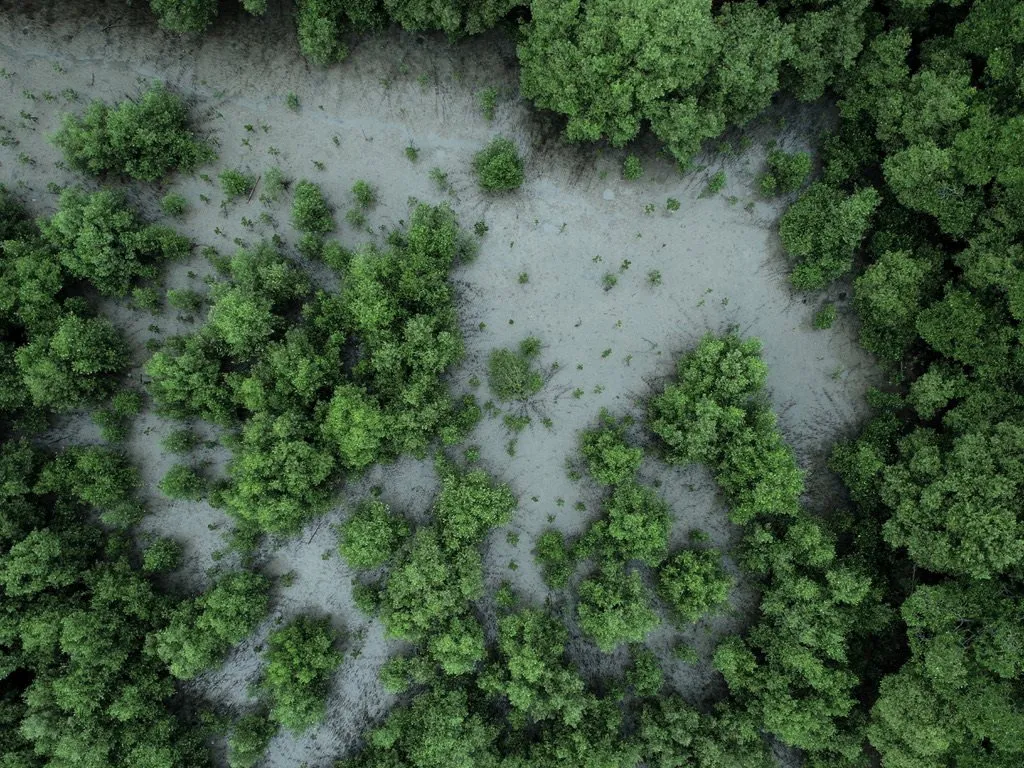
Young stands on eroded aquaculture ponds, planted since 2018 and growing naturally. Grey mangrove dominates; Rhizophora is spreading.
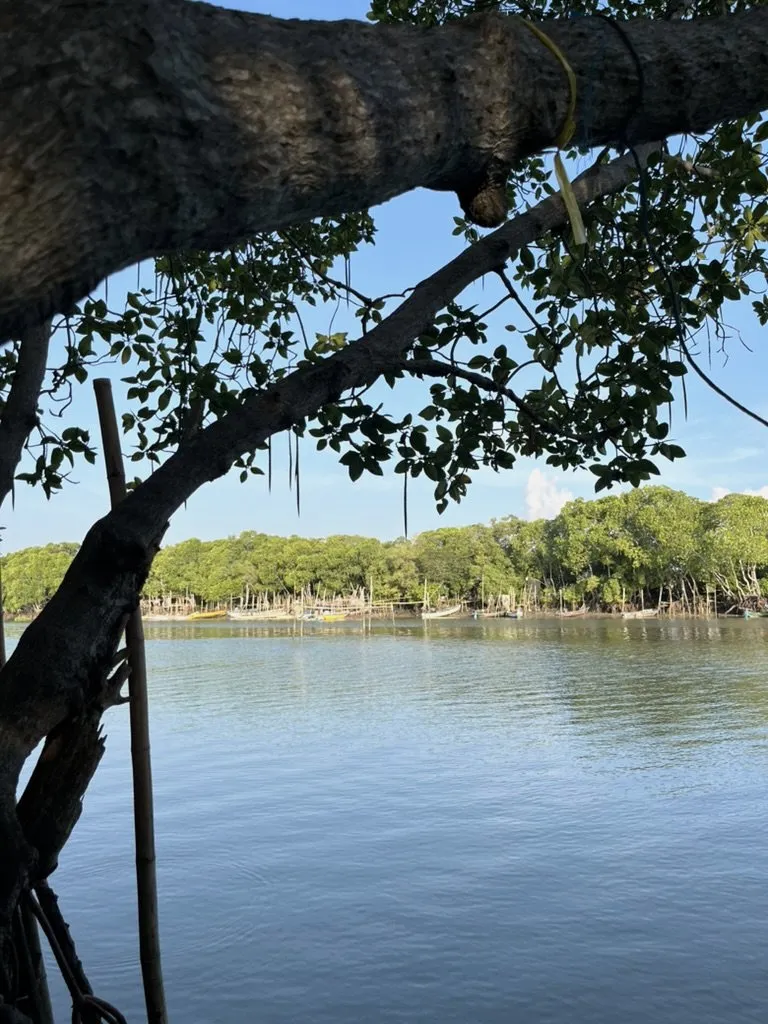
Remnant natural forest along the river banks, with taller and larger trees.
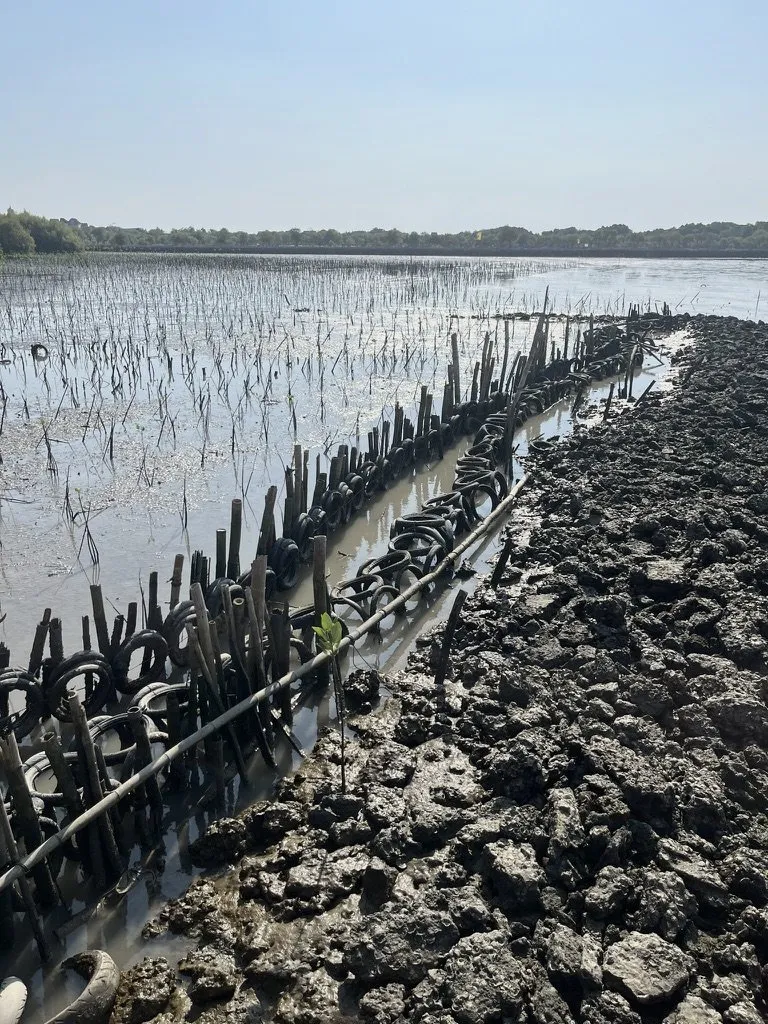
Exposed at low tide, when shorebirds and waterbirds feed on them.
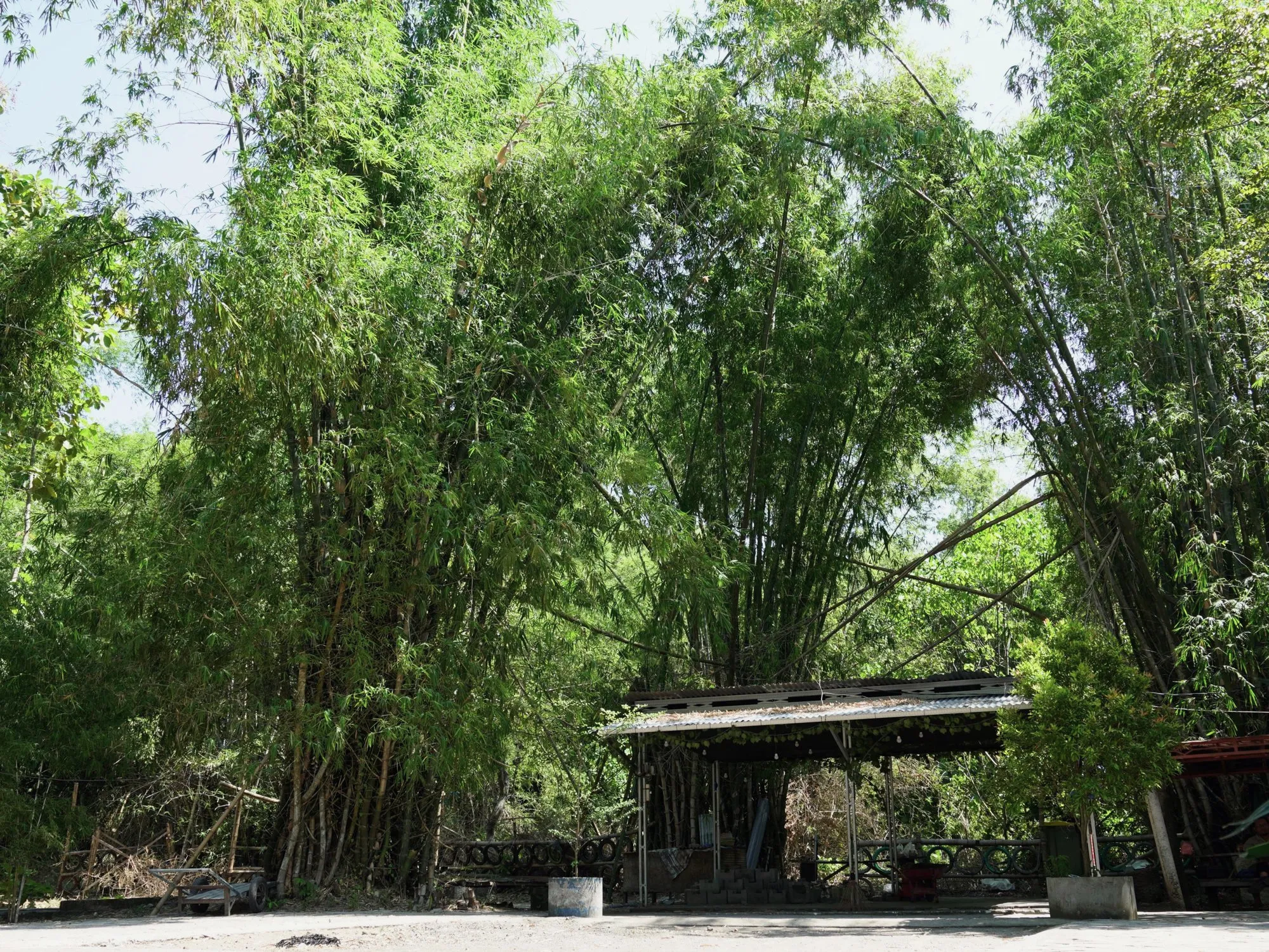
Bamboo groves, she-oak, Pemphis and red silk-cotton trees complete the habitat around the mangroves.
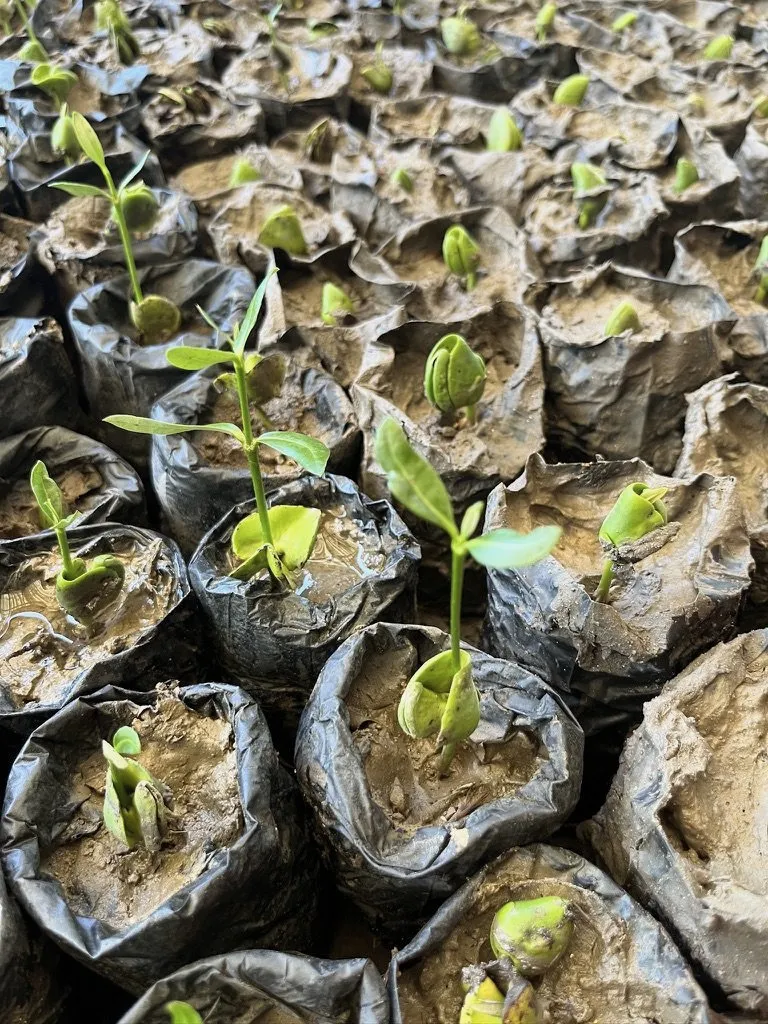
Where seedlings are raised before planting, including the rare Bruguiera hainesii.
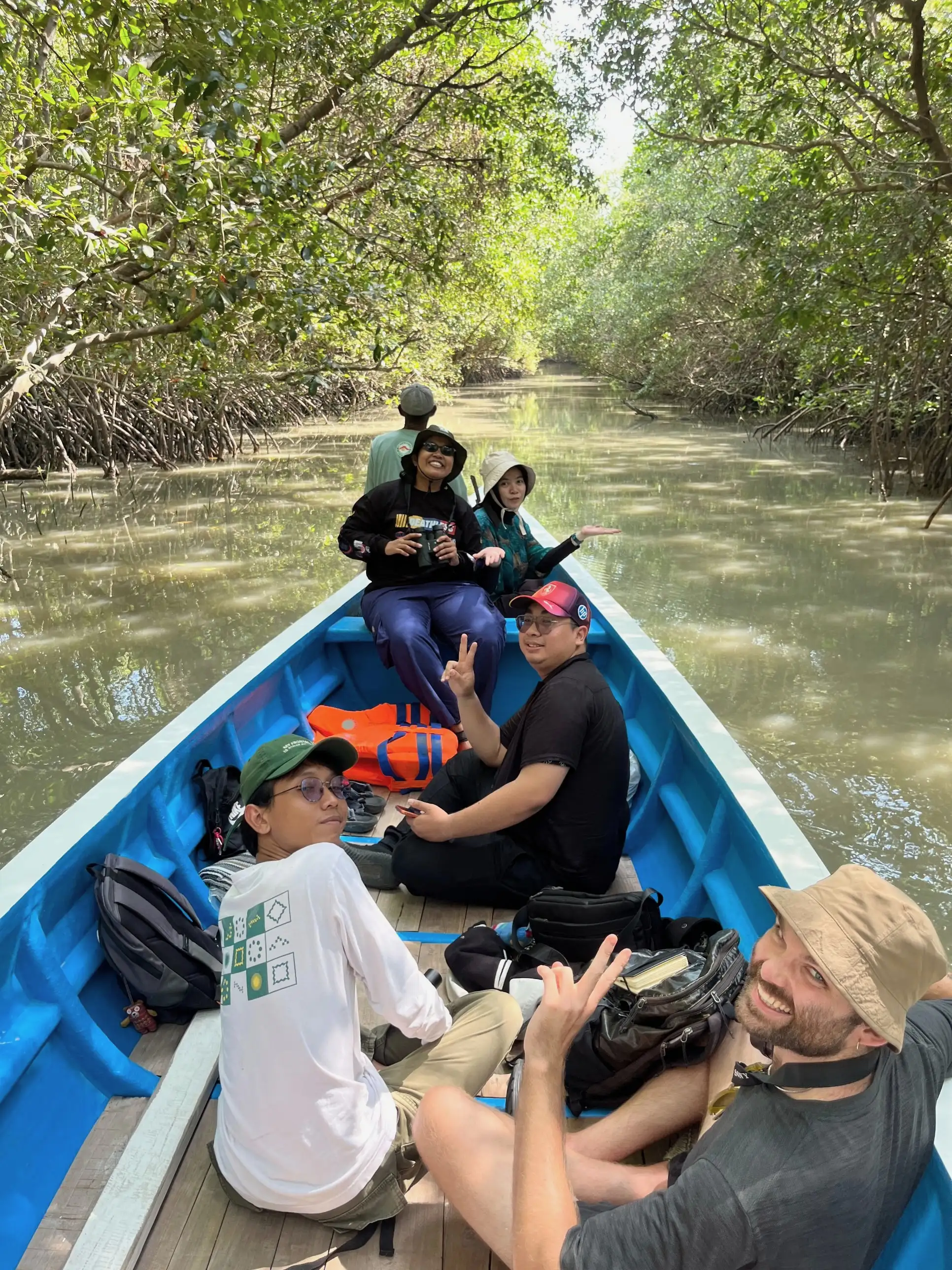
The Bengawan Solo once reached the Madura Strait here, and its sediment helped build the Mengare land. In 1890 the Dutch dug a canal that sent the river to Ujung Pangkah. The Mengare Discovery boat passes the old mouth, then heads into the small creeks between the mangroves.
Read more →
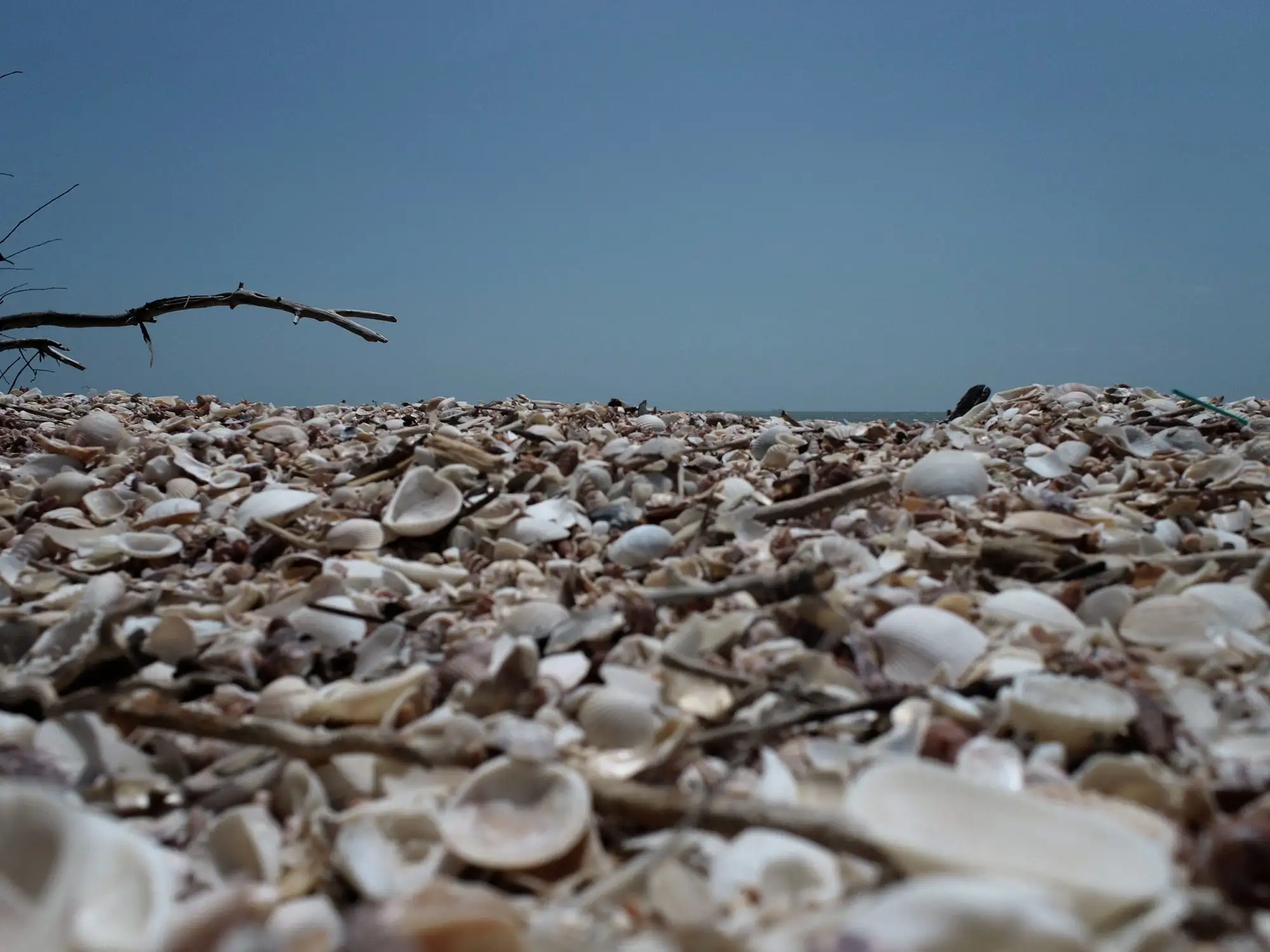
A white beach made of shells thrown up by the waves, at the Mengare Discovery beach. Shell ridges like this (cheniers) break the waves for the mangroves behind them, and their position can shift from season to season.
Tanjung Widoro fishers set bubu naga traps, catch mud crabs, mullet and small shrimp around the mangroves, and gather oysters and clams at low tide. The Tanjung Widoro fish port is one of the stops on the Mengare Discovery boat trip.
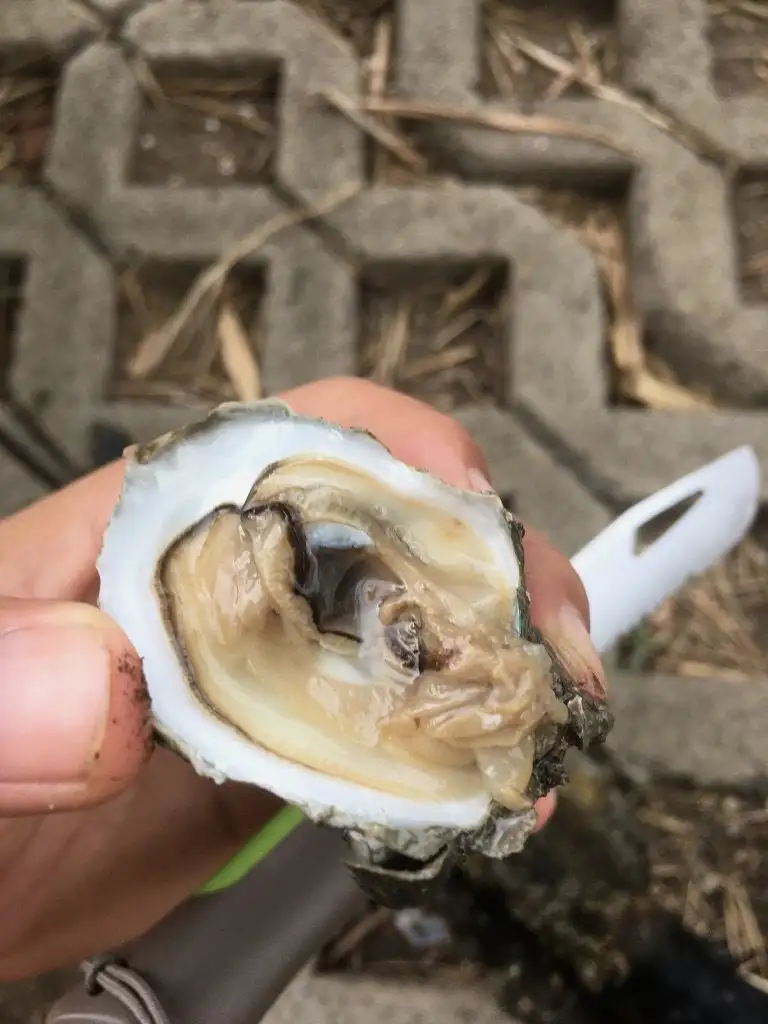
Mengare is known for its milkfish ponds and local foods such as bonggolan, shrimp paste and fish crackers. Fresh oysters from the surrounding waters are part of the local table too; see the video in the gallery. Food stalls run by residents serve food and drinks on site.
Read more →
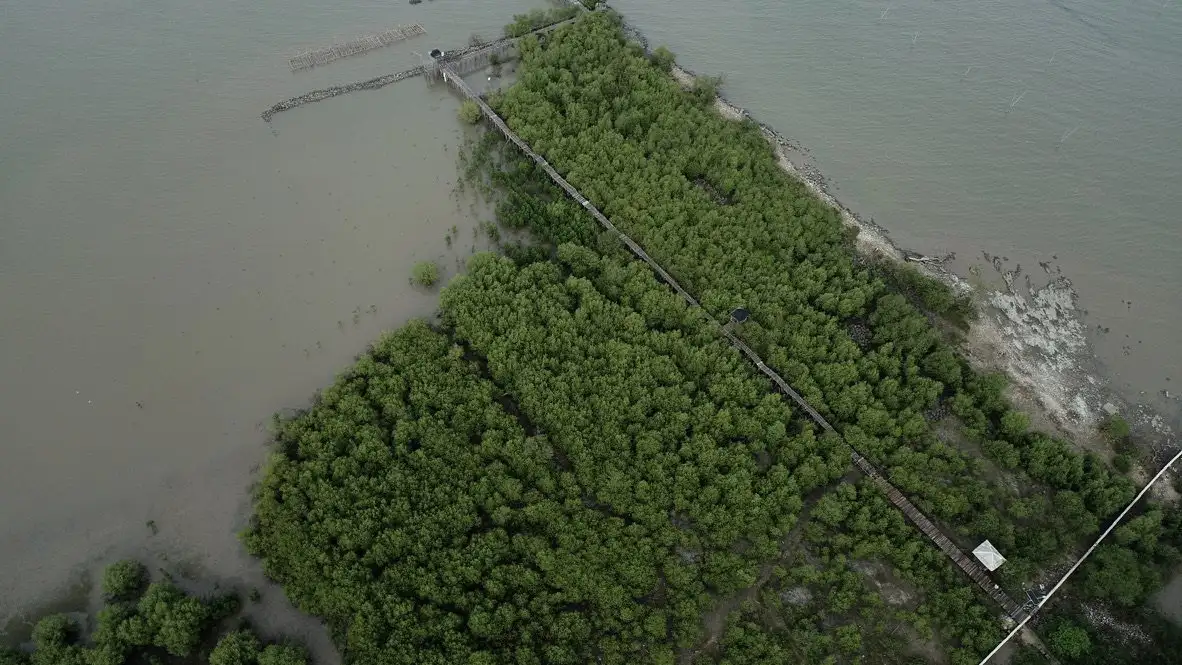
Eroded aquaculture ponds turning back into mangrove forest: mangrove cover grew from 5.01 ha in 2019 to 7.34 ha in 2026.
Read more →
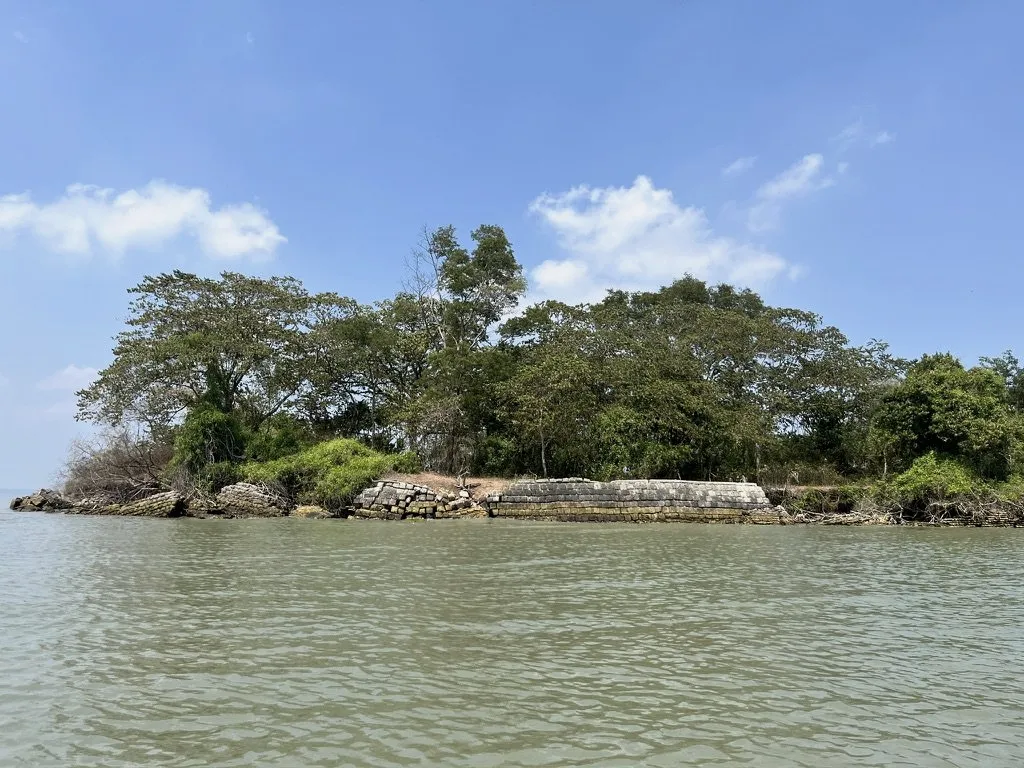
Ruins of a fort built in 1808 on the orders of Daendels, about 10–15 minutes by boat; a Gresik regency heritage site.
Read more →
Biodiversity
The January 2026 survey recorded 68 bird species, 15 of them protected in Indonesia, including the Milky Stork and the Javan Coucal. The 2025 inventory recorded 22 mangrove species, one of them so far only as seedlings in the nursery. Shorebirds are easiest to see on the mudflats at low tide.
Ardeola speciosa
One of the most commonly seen waterbirds at PRPM Mengare: 31 individuals were counted in the January 2026 survey. It feeds on rocks and mud at low tide.
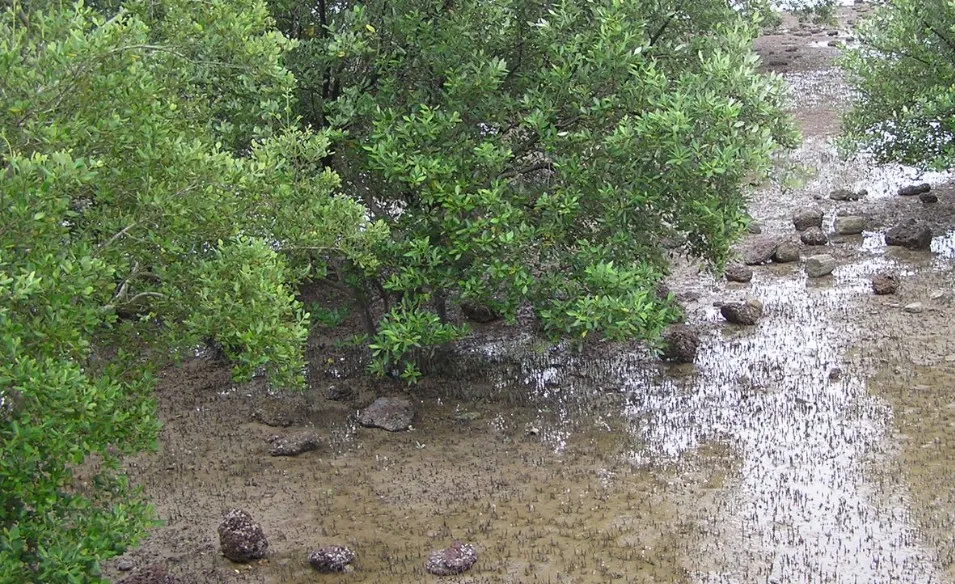
Avicennia marina
The most common species at PRPM Mengare. Its leaves give off salt crystals, and the young leaves are cooked in Gresik's sego roomo.
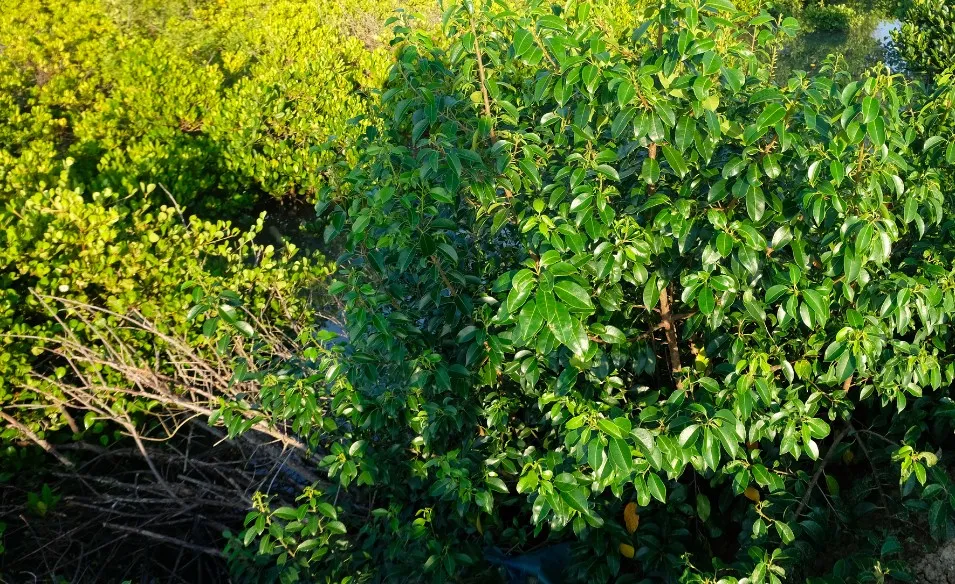
Excoecaria agallocha
Its milky sap is toxic and can cause temporary blindness if it gets in the eyes, hence the local name buta-buta.
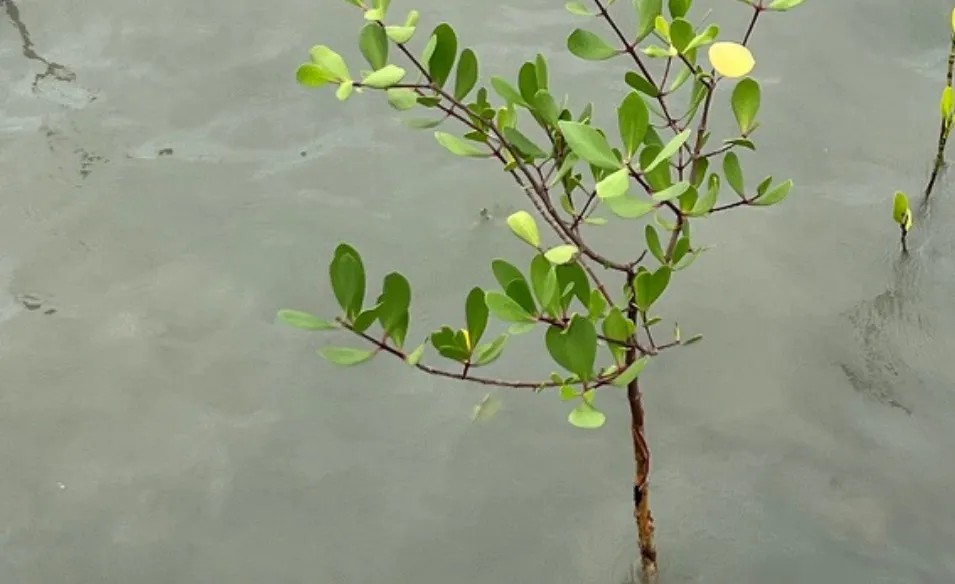
Sonneratia alba
Its flowers open at night and are pollinated by bats and moths. Its cone-shaped breathing roots stick up out of the mud.
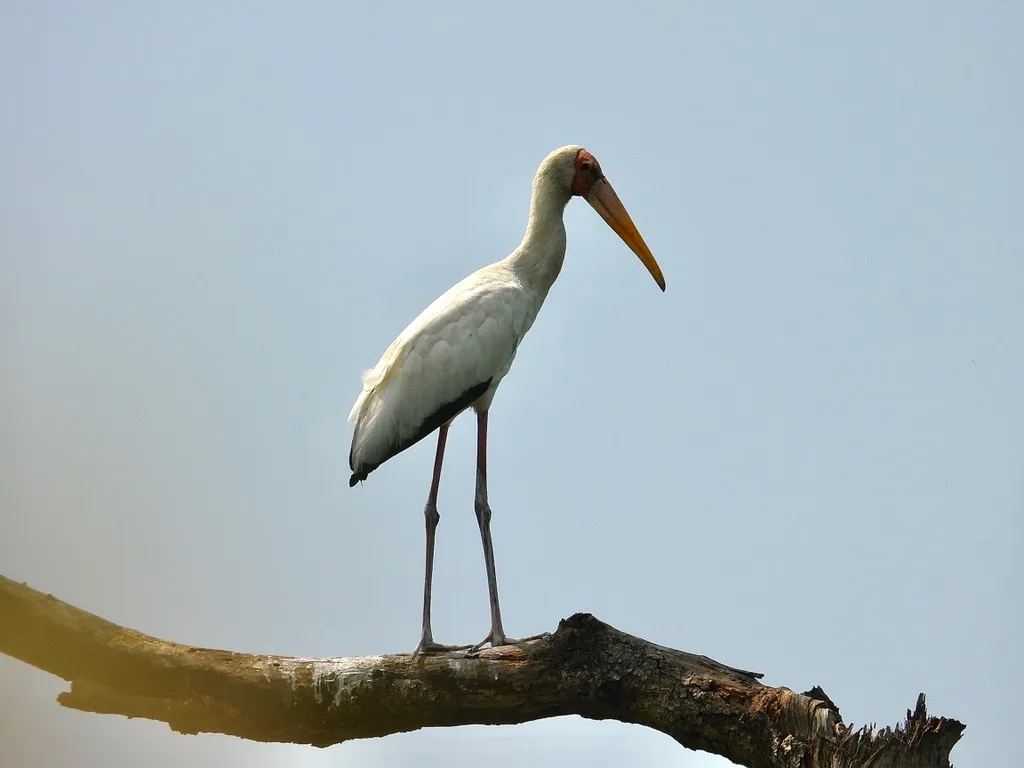 Photo: Agus Satriyono
Mycteria cinerea
A large stork listed as Endangered on the IUCN Red List, on CITES Appendix I, and protected in Indonesia. Seen regularly in the area, but it moves between sites, so it is not always there when you visit. The January 2026 survey recorded 3 individuals. We do not publish where it is seen.
Field photos of the site and short videos from Instagram.
Supported by